Female intimate hygiene is a topic surrounded by many misconceptions and sometimes counterproductive beliefs that lead many women to adopt overly frequent or aggressive hygiene practices in the name of perceived essential cleanliness. However, the biological reality is precisely the opposite. Over-cleaning intimate areas can be as harmful as not cleaning them enough, and the resulting complications are well-documented in scientific literature.
The vagina is an organ remarkably well-designed to maintain its own balance without intensive external intervention. Its natural flora, dominated by Lactobacillus bacteria, produces lactic acid that maintains a protective pH between 3.8 and 4.5. This natural self-cleaning mechanism is one of the most effective defenses of the female body against infections. And every untimely or overly aggressive cleaning of this area disrupts this delicate balance and creates favorable conditions for the imbalances that women are precisely trying to avoid.
The correct frequency of intimate cleaning, the right products to use, and the areas to clean or not clean are questions to which gynecological medicine provides precise and often surprising answers for women accustomed to intensive daily intimate hygiene rituals. These answers challenge many habits passed down from generation to generation without solid scientific basis.
In this article, we provide you with all the recommendations from female health professionals on the frequency and methods of cleaning intimate areas to preserve your vaginal flora and daily intimate comfort.
What is the recommended frequency for female intimate cleansing?
The answer from health professionals regarding the recommended frequency for female intimate cleansing is clear and unanimous. Once a day is the optimal frequency for cleaning the vulva, the external area of female intimate parts. This daily frequency is sufficient to maintain satisfactory hygiene without disrupting the natural balance of the protective vaginal flora.
It is fundamental to distinguish from the outset two anatomically distinct areas that should absolutely not be treated in the same way in terms of hygiene. The vulva refers to all visible external genital organs, including the labia majora, labia minora, and clitoris. This is the only area that requires active cleaning with an appropriate product. The vagina refers to the internal canal connecting the uterus to the outside. This area has its own self-cleaning mechanism via vaginal secretions and should never be washed with soap or subjected to a vaginal douche of any kind.
This distinction is key to understanding correct female intimate hygiene. Intimate cleansing boils down to washing the vulva and adjacent folds once a day with a pH-appropriate, fragrance-free product between 4 and 5. Anything beyond this daily external cleaning is not only unnecessary but potentially harmful to the balance of the vaginal flora.
Specific situations may warrant additional intimate cleansing beyond the basic daily frequency. After intense sports activity that generates significant perspiration in the genital area, after sexual intercourse, or after menstruation, an additional cleaning with clear water is usually sufficient without requiring the use of an extra cleansing product. Repeated use of cleansing products several times a day, even mild ones, is not recommended because it gradually degrades the natural protection of the vulvar mucosa.
Frequency recommendation chart by situation
| Situation | Recommended Frequency | Recommended Cleansing Type |
|---|---|---|
| Standard Daily | Once a day | Intimate soap pH 4-5, fragrance-free, on vulva only |
| After intense sport | Once additionally | Clear water only on vulva |
| After sexual intercourse | Once additionally | Clear water or mild intimate soap |
| During menstruation | 2 to 3 times a day | Clear water or mild intimate soap depending on flow |
| Pregnancy | Once a day | Ultra-mild intimate soap, fragrance and preservative-free |
| Menopause | Once a day | Hydrating intimate soap suitable for dry mucous membranes |
| After childbirth | According to medical recommendation | Product prescribed by midwife or doctor |
This table illustrates an important reality. The frequency of intimate cleansing should never be increased as a reflex of excessive cleanliness but only in response to specific identified physiological situations. The menstrual period is the only daily situation that can legitimately justify two to three cleanings per day due to menstrual flow. During this period, gentle cleaning of the vulva after each change of sanitary protection with clear water or a very mild intimate product is recommended to maintain comfort and limit the risk of irritation related to prolonged contact with menstrual flow.
Pregnancy and menopause are two periods of hormonal transition that modify intimate hygiene needs without justifying an increase in cleaning frequency. During pregnancy, vaginal secretions naturally increase, and women may feel the need to wash more often. This need should be met with clear water rather than additional cleansing products to preserve the vaginal flora, which is particularly precious during pregnancy.
What products to use for female intimate cleansing?
The choice of intimate cleansing product is as important as the frequency of cleansing. An inappropriate product used daily can gradually disrupt the balance of the vaginal flora, even with a perfectly correct cleansing frequency. Here are the recommendations from health professionals on products to prioritize and those to absolutely avoid.
Intimate soaps with adapted pH
The reference product recommended by gynecologists for vulvar cleansing is intimate soap with an adapted pH between 4 and 5. This slightly acidic pH is close to the natural pH of the vulvar area and the vagina, which ensures that the product does not disrupt the natural acidic balance of this area during daily use. These pH-adapted intimate soaps are available in pharmacies and parapharmacies in many forms (liquids, gels, or foams) and at very variable prices depending on the brand. Prioritize formulas without fragrance, artificial colors, and harsh foaming agents like sodium lauryl sulfate, which are the components most frequently responsible for irritation and flora imbalances in sensitive women.
Clear water as a sufficient alternative
Clear water is often underestimated as an intimate cleansing solution, yet it is perfectly sufficient in many situations. For additional cleanings after sports, after sexual intercourse, or during the day, a rinse of the vulva with clear water is usually all you need, without requiring the use of a cleansing product every time. For women who experience chronic irritation or hypersensitivity to most intimate products available on the market, clear water as the sole daily cleansing product is an option that some gynecologists recommend as a first-line treatment.
Products to absolutely avoid
Several categories of products should be absolutely avoided for female intimate cleansing because their regular use disrupts the balance of the vaginal flora and creates the problems they claim to solve. Classic body soaps, whose alkaline pH between 8 and 10 is completely unsuitable for the vaginal area, are among the primary causes of flora imbalances in women who use them out of habit or ignorance on their intimate parts. Scented shower gels contain aromatic compounds and foaming agents that irritate the vulvar mucosa and disrupt the vaginal pH balance. Scented intimate wipes are particularly problematic because their repeated use throughout the day exposes the vulvar mucosa to irritating agents chronically. And intimate deodorants and other scented sprays for intimate hygiene are products whose use is unanimously discouraged by gynecologists because they create direct irritation of the mucous membrane without providing any real hygienic benefit.
Specific products for particular situations
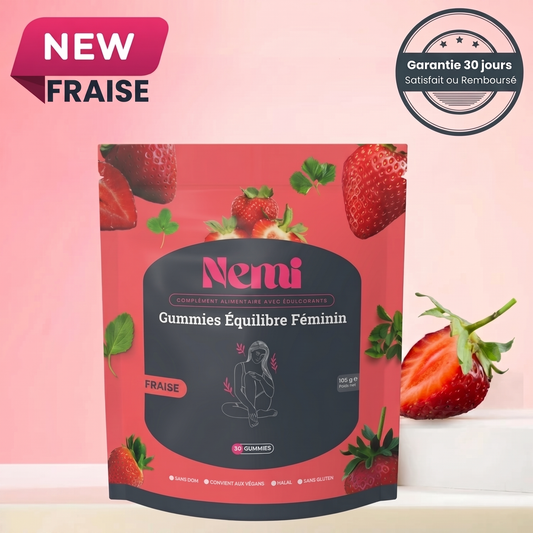
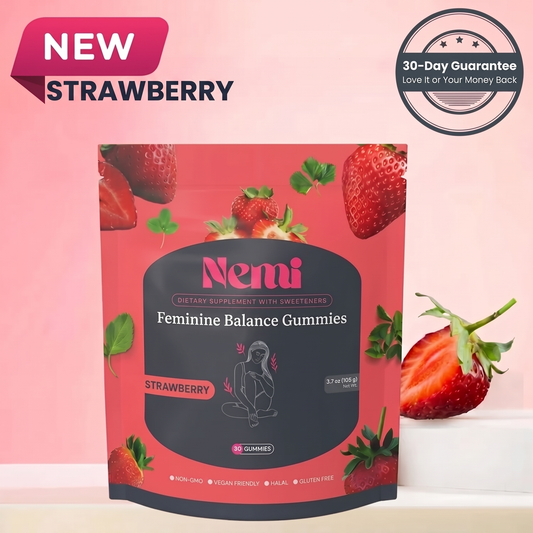
Certain specific physiological situations may require the use of intimate hygiene products adapted beyond standard intimate soap. During pregnancy, ultra-mild formulas without preservatives and fragrance-free, specifically developed for mucous membranes sensitized by hormonal changes, are recommended. During menopause, where the drop in estrogen leads to increased dryness and fragility of the vulvar mucosa, intimate cleansing products enriched with moisturizing active ingredients such as hyaluronic acid or aloe vera can provide additional comfort. And for women who suffer from recurrent imbalances in their intimate flora, probiotic food supplements specifically formulated for female intimate balance, such as those offered by Nemi on mynemi.com, can effectively complement adapted intimate hygiene to restore and maintain a protective vaginal microbiome over time.
Conclusion
The answer to the question of female intimate cleansing frequency is ultimately simpler than many women think. Once a day, with an intimate soap with a pH between 4 and 5, applied only to the vulva and never inside the vagina. This is all your body needs to maintain satisfactory intimate hygiene without disrupting the natural balance of your protective vaginal flora.
The most important lesson to take away from this article is that more is not better when it comes to female intimate hygiene. The vagina has a remarkably effective self-cleaning mechanism that intensive hygiene practices disturb rather than improve. Trusting this natural mechanism and supporting it with gentle and adapted external hygiene is the best way to take care of your intimate balance daily.
If you wish to go further in supporting your intimate flora, probiotic food supplements specifically formulated for vaginal health, such as those offered by Nemi on mynemi.com, can effectively complement a well-established intimate hygiene routine to maintain a protective vaginal microbiome over time.
If you have doubts about your intimate hygiene practices or if you experience persistent symptoms such as itching, unusual odors, or abnormal discharge, consult your gynecologist who can guide you to the most suitable recommendations for your specific situation.