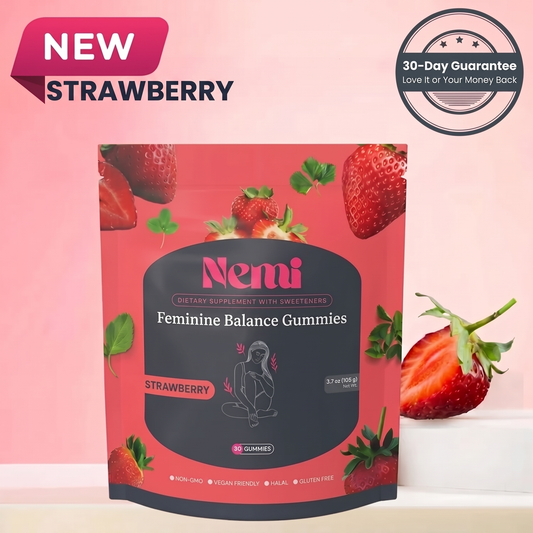
The pineapple is often cited as a food with special virtues for vitality and well-being, to the point of sometimes being associated with an improvement in libido and sexual desire. But is this reputation founded, or does it stem more from myth than scientific reality? Between popular beliefs, nutrition, and how the body functions, the question deserves to be examined with nuance.
Rich in vitamins, minerals, and natural enzymes, pineapple acts on several key mechanisms of the body: energy, blood circulation, digestion, and general balance. These elements play an indirect but important role in sexual desire, both in men and women. Understanding this link allows for avoiding exaggerated promises while identifying the real benefits of this food.
In this article, we will analyze the effects of pineapple on libido, distinguish what science actually says from what are common misconceptions, and explain how this food can or cannot influence sexual desire within a holistic approach to well-being.
What are the effects of pineapple on libido?
Pineapple is not an aphrodisiac in the strict sense of the term, but it can act indirectly on libido by supporting several key body functions related to energy, circulation, and general well-being. Here are the main effects to know.
An energy-boosting effect favorable to desire
Libido is closely linked to overall energy levels. Chronic fatigue, low vitality, or overwork have a direct impact on sexual desire. Pineapple is rich in vitamin C, natural carbohydrates, and micronutrients that participate in energy production.
By promoting better general tonicity, pineapple can help regain physical and mental availability, an essential condition for desire. This effect is particularly noticeable in people whose libido is affected by fatigue or stress.
An indirect improvement in blood circulation
Good blood circulation is essential for the proper functioning of the sexual response. Pineapple contains antioxidants and natural compounds that help support vascular health. More fluid circulation promotes better irrigation of the organs, which can improve sensitivity and sexual responsiveness.
This effect remains indirect, but it contributes to a physiological environment more favorable to desire, both in men and women.
Digestive support that influences intimate comfort
Digestion plays a role that is often underestimated in libido. Bloating, digestive heaviness, or intestinal discomfort can hinder desire. Pineapple contains bromelain, an enzyme known to facilitate the digestion of proteins.
By improving digestive comfort, pineapple can contribute to a better bodily feeling and a sensation of lightness, elements favorable to a more fulfilling intimate life.
An action on mood and mental well-being
Sexual desire is strongly influenced by one's emotional state. Stress, anxiety, or low spirits can decrease libido. Thanks to its vitamin content and naturally sweet taste, pineapple participates in a positive stimulation of well-being.
Even if its action on neurotransmitters remains moderate, a pleasant, nutrient-rich diet contributes to better emotional balance, which indirectly supports sexual desire.
A positive effect on hydration and bodily vitality
Pineapple is composed mostly of water. Proper hydration is essential for hormonal function, natural lubrication, and general vitality. Mild dehydration can be enough to alter energy and libido.
Consumed regularly, pineapple contributes to more optimal hydration, which is favorable for bodily and intimate comfort.
Nutritional support, but not a direct aphrodisiac
It is important to be clear: pineapple does not cause an immediate or hormonal increase in sexual desire. It acts neither as a direct sexual stimulant nor as a treatment for low libido.
Its value lies in its role of overall support. By improving energy, digestion, circulation, and general well-being, it creates an environment more conducive to desire, without acting directly on sex hormones.
A possible influence on sensory perception
Some people report an improvement in sensory perception and intimate comfort when they regularly consume rich fruits like pineapple. This may be linked to better overall dietary hygiene and a feeling of having a "cleaner" or lighter body.
This effect remains subjective, but it contributes to a more positive relationship with one's body, which plays an important role in libido.
Is pineapple an aphrodisiac or simply a natural support for libido?
Pineapple is often presented as a natural aphrodisiac, but this claim deserves to be clarified. From a scientific and nutritional point of view, pineapple is not an aphrodisiac in the strict sense of the term. It does not directly cause an immediate increase in sexual desire, nor a hormonal stimulation comparable to that of certain drugs or targeted substances. On the other hand, it can act as a natural support for libido, in an indirect and gradual way.
An aphrodisiac, by definition, is a substance that directly stimulates sexual desire or the sexual response through a targeted physiological action, often hormonal or neurochemical. Pineapple, however, does not contain compounds capable of directly activating these mechanisms. It neither modifies sex hormone levels nor the desire centers in the brain directly.
However, reducing pineapple to a simple myth would be inaccurate. Its value lies in its ability to improve the conditions favorable to sexual desire. Libido is a complex phenomenon, influenced by numerous factors: energy, fatigue, stress, digestion, blood circulation, body image, and emotional well-being. It is precisely on these levers that pineapple can play a role.
Thanks to its richness in vitamin C, antioxidants, and digestive enzymes like bromelain, pineapple supports general vitality, facilitates digestion, and contributes to better blood circulation. Good physical energy, digestive comfort, and fluid circulation are essential for the proper functioning of the sexual response. When the body feels better, desire naturally has more room to express itself.
Pineapple also acts on mental well-being. A pleasant, fresh, and nutritious diet contributes to a better mood and a reduction in stress, two key elements in libido. Sexual desire does not arise solely from the body, but also from one's psychological state. In this sense, pineapple indirectly supports libido by improving overall balance.
It is also important to note that some people associate pineapple with better sensory and bodily perception. Feeling lighter, more at ease in one's body, or more confident can positively influence intimate life, even if this effect remains subjective and variable from person to person.
In conclusion, pineapple is not an aphrodisiac, but it constitutes a natural ally of libido when integrated into a balanced diet and a healthy lifestyle. It does not create desire on its own, but it can help remove certain physical and emotional obstacles that hinder it. Therefore, it is within a holistic approach to well-being, and not as a miracle solution, that pineapple finds all its relevance in supporting sexual desire.
How to consume pineapple to naturally promote libido and sexual well-being?
For pineapple to be able to naturally support libido and sexual well-being, everything depends on how it is consumed. It is not a miracle food, but an interesting nutritional lever when integrated intelligently into a comprehensive well-being routine. Here are the best ways to consume it to derive optimal benefit.
Prioritize fresh and natural pineapple
Fresh pineapple is by far the most interesting form. It retains all of its vitamins, minerals, and digestive enzymes, especially bromelain, which is sensitive to heat and industrial processing.
Consuming fresh pineapple allows you to benefit fully from its effects on:
-
energy,
-
digestion,
-
blood circulation,
-
general bodily comfort.
Conversely, canned pineapple, often rich in added sugars, loses a large part of its benefits and may even have a negative effect on energy and hormonal balance.
Integrate it regularly into the diet
To promote libido naturally, regularity is more important than quantity. Occasional consumption will have only a very limited effect. Integrating pineapple several times a week allows for acting progressively on general health: vitality, digestion, and well-being.
It can be consumed:
-
at breakfast to support energy,
-
as a snack to avoid energy slumps,
-
or as a light dessert after a balanced meal.
This gradual approach is more effective than excessive consumption over a short period.
Consume it away from heavy meals
Pineapple is particularly interesting when consumed outside of very rich meals. Thanks to its digestive enzymes, it promotes digestion, but taken after a meal that is too heavy or too fatty, it can sometimes cause a sensation of acidity or discomfort.
Ideally, it is consumed:
-
as a snack,
-
or after a light meal,
in order to promote a sensation of bodily lightness, which is beneficial to intimate well-being.
Associate it with a libido-friendly diet
Pineapple yields better results when part of an overall diet favorable to libido. Combined with foods rich in healthy fats, zinc, or antioxidants, it better supports energy and hormonal balance.
For example, associating it with:
-
berries,
-
oilseeds,
-
or foods rich in magnesium,
reinforces its indirect effect on sexual well-being.
Consume it in juice form in moderation
Pineapple juice can be an occasional option, provided it is freshly pressed and without added sugars. It allows for rapid absorption of nutrients, but it remains more concentrated in natural sugars.
To preserve the glycemic balance, which is important for energy and libido, it is preferable to:
-
limit quantities,
-
or dilute it with water,
-
and avoid excessive daily consumption.
Be attentive to digestive tolerance
Some people are more sensitive to the acidity of pineapple. Excessive consumption can cause oral or digestive irritation, which would go against the comfort sought.
Listening to your body is essential: sexual well-being requires first of all optimal digestive and bodily comfort.
Incorporate it into a global lifestyle
Finally, pineapple can only support libido if it is integrated into a holistic approach: sufficient sleep, stress management, regular physical activity, and a balanced diet. Sexual desire is multifactorial, and no single food can compensate for an unbalanced lifestyle.
Conclusion: pineapple and libido, what real effects on sexual desire?
In conclusion, pineapple gummies are not an aphrodisiac in the strict sense, but they can play a role of natural support for libido when integrated into a balanced diet and a healthy lifestyle. Its action does not rely on a direct stimulation of sexual desire, but on an overall improvement of factors essential to intimate well-being.
Thanks to its richness in vitamin C, antioxidants, and digestive enzymes, pineapple helps support energy, digestion, blood circulation, and hydration. These elements directly influence the physical and mental availability, which are indispensable to sexual desire, both in men and women.
Pineapple therefore acts in an indirect and progressive way: by reducing fatigue, promoting physical comfort, and contributing to better emotional balance, it helps to remove certain common obstacles to libido, such as stress, digestive discomfort, or lack of energy. Its impact remains moderate, however, and depends heavily on the overall context in which it is consumed.
It is essential to avoid misconceptions: no single food can “create” sexual desire. Libido is multifactorial and depends as much on the body as it does on the mind. Pineapple therefore finds its place not as a miracle solution, but as a nutritional ally, in the same way as other habits that support general well-being.
In summary, consuming pineapple can positively support sexual desire, provided it is part of a comprehensive approach that includes a healthy diet, quality sleep, good stress management, and attentive listening to one's body. It is within this balance that pineapple truly reveals its value for libido and sexual well-being.
FAQ on pineapple and libido
Is pineapple a natural aphrodisiac?
No, pineapple is not an aphrodisiac in the strict sense. It does not directly stimulate sexual desire. However, it can support libido indirectly by improving energy, digestion, and general well-being.
Can pineapple really increase libido?
Pineapple does not cause an immediate increase in libido. It can, however, create a more favorable environment for desire by reducing fatigue, supporting blood circulation, and improving physical comfort.
Are the effects of pineapple on libido scientifically proven?
There is no scientific evidence showing that pineapple directly increases libido. Its effects are indirect, linked to its nutritional contributions (vitamin C, antioxidants, digestive enzymes) and their impact on overall well-being.
Does pineapple act in the same way for men and women?
Yes, its effects are similar in men and women, as they rely on general mechanisms: energy, circulation, digestion, and emotional balance. The intensity of the effects can, however, vary by individual.
How long does it take to feel an effect on sexual desire?
There is no precise timeframe. Any benefits appear progressively, in the context of regular consumption and a balanced lifestyle. Occasional consumption will not have a noticeable effect.
In what form should one consume pineapple to reap the benefits?
Pineapple should ideally be eaten fresh and natural. Juice can be consumed occasionally, without added sugar. Processed forms (canned, sugary products) are less nutritionally beneficial.
Can pineapple improve sexual well-being without increasing libido?
Yes. Even without acting directly on desire, pineapple can improve physical comfort, mood, and vitality, which contributes to a more fulfilling intimate life.
Can you consume too much pineapple?
Yes, excessive consumption can cause oral or digestive irritation due to its acidity and bromelain content. Moderation is essential to maintain comfort.
Can pineapple replace other solutions for libido?
No. Pineapple is not a substitute for medical monitoring or specific treatment in cases of persistent loss of libido. It serves as a natural nutritional supplement within a holistic approach to well-being.
Does pineapple affect psychological desire?
Indirectly, yes. By promoting better energy, more comfortable digestion, and a better state of mind, it can remove certain psychological obstacles to desire, such as stress or fatigue.