How can I make my intimate areas taste good?

The question of the taste of intimate female parts is often surrounded by taboos, embarrassment, or preconceived notions. However, it is primarily a subject linked to intimate health, body balance, and personal well-being. Having a neutral or pleasant intimate taste is not a matter of perfection, but rather a reflection of a natural balance that can be preserved with good habits.

It is important to remember one essential thing: the female body has a natural scent and taste, which varies according to the menstrual cycle, diet, stress, or even lifestyle. Trying to completely eliminate these variations is neither realistic nor desirable. The goal is therefore not to "perfume" or mask, but to respect and support intimate balance.

Many women wonder about this subject out of concern for self-confidence, comfort, or in an intimate setting with a partner. These concerns are legitimate, provided they are approached from a healthy and positive perspective, far from the unrealistic standards conveyed by certain beliefs or guilt-inducing discourse.

Intimate taste is influenced by several key factors: intimate hygiene, diet, hydration, lifestyle, and vaginal flora balance. Simple daily adjustments can have a real impact, without resorting to aggressive or unnecessary practices.

It is also crucial to understand that excessive use of perfumed products, vaginal douches, or so-called “miracle” solutions can, on the contrary, disrupt the intimate flora, cause infections, and alter the natural scent or taste.

In this article, we will explain how to achieve a healthy and natural intimate taste, by addressing good practices, mistakes to avoid, and simple habits to adopt to preserve the female intimate balance, in a way that is respectful of the body.

How to have a healthy and natural intimate taste?

Having a healthy and natural intimate taste in women relies above all on respecting the body's balance. It is not about masking or transforming, but about preserving the intimate flora, adopting simple habits, and avoiding aggressive practices. Here are the essential pillars to know.

Respecting the natural balance of the intimate flora

The vagina is a self-cleaning organ equipped with a protective flora. This natural balance directly influences intimate scent and taste. Trying to intervene excessively disrupts this mechanism and leads to the opposite effect of what is desired. A healthy intimate taste is a reflection of a stable vaginal flora, neither attacked nor over-stimulated.

It is therefore essential to avoid any practice that disrupts the natural pH, such as internal washing or the frequent use of unsuitable products.

Adopting gentle and adapted intimate hygiene

Intimate hygiene should be simple, external, and moderate. Washing the vulvar area once or twice a day is more than enough. The use of products that are too perfumed or antiseptic can irritate the mucous membranes and alter the natural taste.

Prioritize a gentle routine, without excess, and respect the fundamental principle: the less you do, the better the body regulates itself.

Taking care of your diet daily

Diet plays a direct role in bodily secretions, including intimate ones. A balanced diet contributes to a more neutral and healthy intimate taste.

Favorable dietary habits include:

  • good daily hydration,

  • sufficient consumption of fruits and vegetables,

  • limiting highly processed foods.

Conversely, a diet too rich in sugar, alcohol, or ultra-processed products can negatively influence intimate balance.

Maintaining good hydration

Drinking enough water helps the body eliminate toxins and promotes natural regulation of secretions. Insufficient hydration can make odors and taste more pronounced.

Water remains the number one ally for a healthy and sustainable intimate balance.

Wearing appropriate clothing

The choice of underwear has an often-underestimated impact. Synthetic materials and overly tight clothing promote moisture and bacterial growth.

To preserve a natural intimate taste, it is advisable to prioritize:

  • cotton underwear,

  • breathable clothing,

  • regular ventilation of the intimate area.

Avoiding miracle solutions and aggressive practices

Vaginal douches, intimate sprays, perfumed wipes, or "taste-special" products should be avoided. They promise quick results but disrupt the flora and increase the risk of infections, yeast infections, or persistent odors.

A healthy intimate taste is never achieved through artificial solutions, but through biological stability.

Being attentive to the body's signals

A sudden change in taste, odor, or texture can be a sign of an imbalance or an infection. In this case, it is important to consult a healthcare professional rather than trying to fix the problem yourself.

In summary:

Having a healthy and natural intimate taste relies on:

  • respecting vaginal flora,

  • gentle and external hygiene,

  • a balanced diet,

  • good hydration,

  • avoiding aggressive products.

The female body knows how to self-regulate when given the chance. The key is not control, but balance and kindness toward oneself.

Which foods can positively or negatively influence female intimate taste?

The female intimate taste is influenced by many factors, and diet plays a real role, although it is often overestimated. It is important to remember that there is no “ideal” taste to achieve: every body has its own natural signature. However, some foods can promote a more stable intimate balance, while others can accentuate more pronounced tastes, especially if consumed in excess.

Diet acts indirectly, through the balance of the vaginal flora, metabolism, hydration, and the elimination of toxins. A healthy, varied, and balanced diet supports the overall functioning of the body, which is naturally reflected in bodily secretions.

Beneficial foods are those that support:

  • good hydration,

  • a balanced microbiota,

  • healthy digestion,

  • a reduction in inflammation.

Conversely, certain foods can accentuate acidity, disrupt the flora, or modify scent and taste when consumed too frequently.

It is essential to emphasize that effects vary from person to person. One food may have a notable impact on some women and almost none on others. The goal is not strict avoidance, but moderation and balance.

Foods that can positively influence intimate taste

  • Water

  • Fruits rich in water (watermelon, melon)

  • Pineapple

  • Citrus fruits

  • Apples

  • Berries (strawberries, blueberries)

  • Plain yogurt

  • Kefir

  • Green vegetables

  • Cucumbers

Foods that can negatively influence intimate taste (in excess)

  • Alcohol

  • Coffee

  • Garlic

  • Onion

  • Red meats

  • Ultra-processed foods

  • Very sugary products

  • Very strong cheeses

  • Very spicy foods

In short, a diet rich in water, fruits, vegetables, and fermented products, combined with moderate consumption of stronger foods, promotes a natural intimate balance. It is not about excessive restriction, but about adopting a diet consistent with the body's overall well-being.

Are there other options for having a good taste of intimate parts?

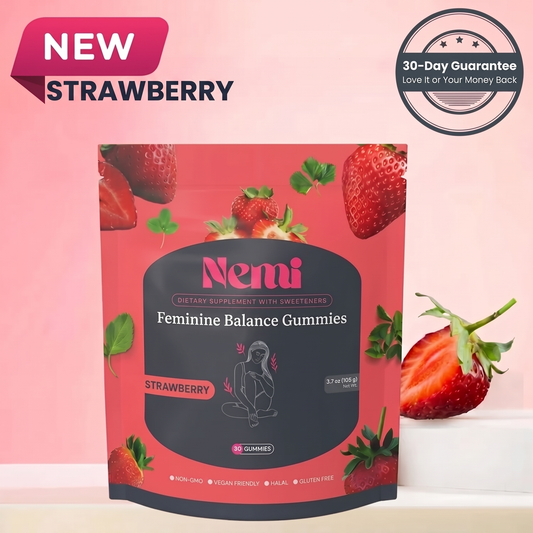
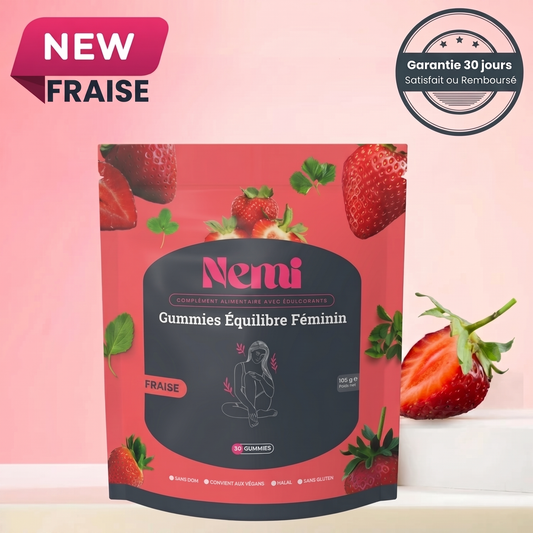
Yes, there are other complementary options to promote a healthy and natural intimate taste, especially when you want to act in a comprehensive and sustainable way. In addition to gentle hygiene and diet, some women choose to integrate targeted dietary supplements, such as the feminine balance gummies from Nemi.

These gummies are part of a preventive and body-respectful approach, acting from the inside rather than masking effects on the surface. Unlike aggressive solutions or perfumed products, they aim to support natural balance, which indirectly influences intimate scent and taste.

The Nemi feminine balance gummies are formulated to support several key levers of intimate well-being. Their goal is not to artificially transform the body, but to foster a healthy environment, an essential condition for a neutral and natural intimate taste.

One of the primary benefits of this type of supplement is the support of intimate flora. A balanced microbiota is essential to limit imbalances, overly marked variations, and discomfort. When this balance is respected, intimate taste is generally more stable and less influenced by external factors.

These gummies also contribute to hormonal well-being, an often-underestimated element. Hormonal variations linked to the menstrual cycle can temporarily alter intimate scent or taste. By supporting the body's overall balance, feminine balance gummies help reduce these fluctuations.

Another advantage lies in its ease of use. Unlike complex or restrictive routines, gummies easily integrate into daily life. This consistency is essential, as intimate balance is built over time, not through one-off solutions.

It is important to emphasize that feminine balance gummies do not replace good habits, but complement them. They work optimally when combined with:

  • gentle intimate hygiene,

  • a balanced diet,

  • proper hydration,

  • appropriate clothing,

  • and the avoidance of harsh practices.

The benefit of this type of supplement is also psychological. Feeling supported in one’s wellness routine strengthens self-confidence, which plays a significant role in one's relationship with their body and intimacy.

However, it is essential to adopt a realistic approach: no supplement can guarantee a “perfect taste.” The female body is alive, cyclical, and naturally variable. Nemi’s feminine balance gummies are therefore part of a holistic support approach, rather than an unrealistic promise.

Finally, as with any dietary supplement, it is recommended to follow the indicated dosages and to be attentive to your body’s reactions. In case of persistent issues, a medical consultation remains essential.

In summary, yes, there are other options to promote a pleasant intimate taste, and Nemi’s feminine balance gummies provide a gentle, practical, and coherent solution to support feminine intimate balance, provided they are integrated into a holistic and body-respecting routine.


FAQ on how to have a good intimate taste

Does intimate taste have a “normal” smell or taste?

Yes. Feminine intimate taste is naturally variable and evolves according to the menstrual cycle, diet, hydration, and stress. There is no universal standard to reach.

Is a more acidic taste necessarily abnormal?

No. A slightly acidic taste is completely normal and is linked to the naturally acidic vaginal pH, which protects the intimate flora. It is not a sign of poor hygiene.

Can intimate hygiene improve the taste?

Yes, provided it is gentle and external only. Excessive or internal cleaning can unbalance the flora and aggravate taste variations.

Do vaginal douches improve intimate taste?

No. Vaginal douches are not recommended, as they disrupt the intimate flora and increase the risk of infections and persistent odors.

Does diet really influence intimate taste?

Yes, indirectly. A balanced diet and proper hydration promote a healthy environment. Excesses (alcohol, sugars, highly processed foods) can accentuate variations.

Can drinking more water help?

Yes. Good hydration helps the body naturally regulate secretions and can make intimate taste more neutral and stable.

Can dietary supplements be useful?

Yes, some supplements focused on feminine balance can support flora and overall well-being. They should be seen as a complement to good habits, not as a miracle solution.

Are scented intimate products recommended?

No. Sprays, scented wipes, or products “special for taste” can irritate and unbalance the intimate area. They should be avoided.

Can stress influence intimate taste?

Yes. Stress acts on hormones and the microbiota, which can cause temporary variations in taste and odor.

When should you consult a healthcare professional?

In the event of a sudden change, very strong odor, itching, pain, or unusual discharge. These signs may indicate an infection requiring medical advice.

Back to blog

Leave a comment

Please note, comments need to be approved before they are published.