Feminine intimate hygiene is a daily practice, yet many women are still unaware of the best methods. Between common misconceptions about intimate cleanliness, widely marketed unsuitable products, and habits passed down without scientific verification, many women adopt hygiene routines that disturb their intimate balance rather than preserving it.
The first reality to understand is that the vagina cleans itself. Its natural secretions ensure a continuous self-cleaning of the vaginal cavity and require no external intervention. What requires daily attention is only the external vulvar area, which should be cleaned with pH-balanced products and precise gestures that respect the natural balance of the protective flora.
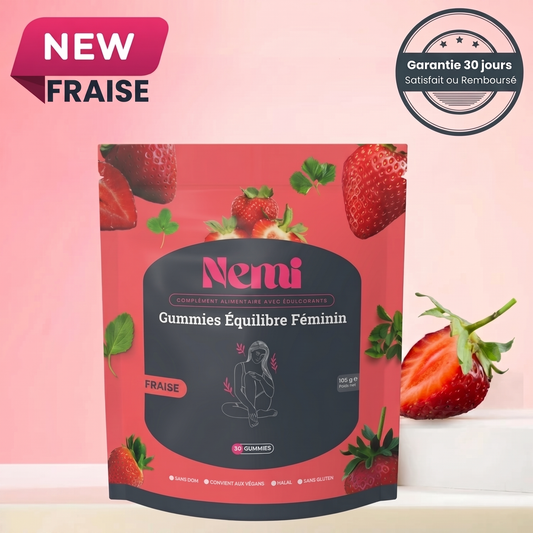
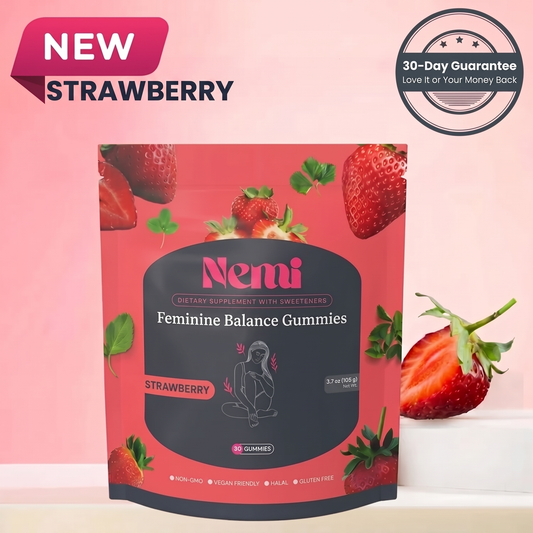
In this article, we will explain exactly how to perform proper daily intimate hygiene, what products to use, what actions to avoid, and how to combine the right supplements like Nemi gummies available on mynemi.com to maintain a lasting intimate balance.
The fundamental rules of good feminine intimate hygiene
Correct intimate hygiene relies on a set of simple yet precise principles, the daily observance of which makes a considerable difference to long-term intimate health and comfort. Here are the most important rules to know and apply.
Clean only the external vulvar area
The first and most fundamental rule is to never introduce any product inside the vagina. The vagina is a self-cleaning organ whose natural secretions constantly ensure the elimination of dead cells and pathogens. Any internal intervention, such as vaginal douches, disrupts this natural balance by eliminating protective lactobacilli and neutralizing protective vaginal acidity. Intimate hygiene should be limited to the external vulvar area only, gently cleaning the labia majora and minora with an appropriate cleansing gel, without ever penetrating inside.
Use an appropriate acidic pH product
The second rule is to choose an intimate cleansing gel with a pH between 4 and 5, which respects the natural acidity of the vulvar area. Classic soaps and ordinary shower gels have an alkaline pH between 7 and 9, which gradually disrupts the balance of the vaginal flora with each use. These products, specifically formulated for the intimate area, are available in pharmacies and natural cosmetic stores. Always check the pH indicated on the packaging before purchase, as many products marketed as intimate care do not have a truly appropriate pH.
Observe the optimal cleaning frequency
The third rule concerns the cleaning frequency. A single daily intimate wash is more than enough to maintain proper hygiene. Cleaning too frequently, even with an appropriate product, can remove protective natural secretions and disrupt the vaginal flora. During menstruation, more frequent washing may be necessary, but always with a pH-balanced product and without ever rinsing the inside of the vagina.
Adopt the right cleaning techniques
The fourth rule concerns the precise actions to adopt during washing. Cleaning should always be done from front to back, i.e., from the vulva towards the anus, and never in the opposite direction, to avoid transferring intestinal bacteria to the vulvar area. Use a clean hand or a washcloth dedicated exclusively to the intimate area, which you wash after each use. Rinse thoroughly with lukewarm water to remove all product residues and gently pat the area dry without rubbing to avoid irritating the vulvar mucosa.
Avoid irritating products and harmful practices
The fifth rule is to systematically avoid scented products, conventional intimate wipes loaded with alcohol and aggressive preservatives, intimate deodorants that mask natural odors at the expense of flora balance, and prolonged bubble baths whose foaming agents penetrate the vulvar area and disturb its natural acidity. These products and practices cause chronic irritation and flora imbalances that fuel recurrent cycles of vaginosis and yeast infections that many women experience without identifying the cause.
What are the most common intimate hygiene mistakes and their consequences?
Intimate hygiene mistakes are often made with the best intentions, but their consequences on the balance of the vaginal flora can be significant and long-lasting. Here are the most common mistakes and their concrete effects on intimate health.
Using classic soaps or ordinary shower gels
This is the most widespread and impactful mistake. Classic soaps and ordinary shower gels have an alkaline pH between 7 and 9, which gradually neutralizes the protective acidity of the vulvar area with each use. This daily disruption weakens the vaginal flora, reduces the dominance of protective lactobacilli, and creates conditions favorable to recurrent bacterial vaginosis and yeast infections. Many women who suffer from chronic intimate imbalances are unaware that their usual shower gel is the primary cause.
Practicing internal vaginal douches
Internal vaginal douching is the most harmful intimate hygiene mistake for the vaginal flora. By introducing a rinsing liquid inside the vagina, this practice directly eliminates protective lactobacilli, neutralizes natural acidity, and creates a microbial void that pathogens quickly fill. Women who practice regular vaginal douches have a significantly higher risk of recurrent bacterial vaginosis and vaginal infections than those who only clean the external vulvar area.
Washing too frequently
Too frequent intimate washing, even with an appropriate product, disrupts the balance of the vaginal flora by eliminating natural protective secretions before they have had time to fulfill their role. Some women wash several times a day out of excessive concern for cleanliness, paradoxically creating the conditions for the imbalance they seek to prevent. A single daily intimate wash is sufficient to maintain proper hygiene without disturbing the natural balance.
Using scented intimate wipes
Scented intimate wipes seem practical, but their composition is often incompatible with the balance of the intimate area. Their generally alkaline pH, aggressive preservatives, and synthetic fragrances irritate the vulvar mucosa and disrupt the protective flora. Regular use can cause chronic irritation, itching, and flora imbalances that gradually set in without the woman spontaneously identifying the cause.
Wearing synthetic underwear and not changing after sports
Underwear made of synthetic materials like polyester and nylon traps heat and moisture in the intimate area, creating an environment particularly favorable for the proliferation of pathogens. This mistake is exacerbated by prolonged wearing of wet sportswear after exercise. Not changing quickly after sports is a habit that directly promotes vaginal yeast infections and bacterial vaginosis in women whose flora is already weakened.
Not supporting vaginal flora internally
The last common mistake is to focus solely on external hygiene while neglecting internal support for vaginal flora. Nemi gummies, available on mynemi.com, provide the best-documented probiotic strains to maintain the dominance of protective lactobacilli and compensate for the inevitable daily hygiene disruptions.
How to adapt intimate hygiene to specific situations?
Certain daily life situations and periods in a woman's life require adapting intimate hygiene routines to maintain the balance of the vaginal flora despite the specific disruptions of each context.
During menstruation, intimate hygiene should be slightly more frequent than outside of menstruation to eliminate alkaline menstrual blood that disturbs vaginal pH. Two daily washes with an appropriate acidic pH cleansing gel are recommended during this period, always making sure to clean from front to back. Change your sanitary products regularly and prefer menstrual cups or organic cotton pads that limit prolonged exposure of the vulvar mucosa to alkaline blood.
After sexual intercourse, a gentle intimate wash with a pH-balanced product is recommended to eliminate secretions and limit the alkalinizing effect of semen on vaginal pH. Also, urinate after intercourse to eliminate bacteria that may ascend to the urethra and reduce the risk of post-coital urinary tract infection. This post-intercourse wash should remain gentle and external, never introducing any product inside the vagina.
After intense physical activity, quickly change your wet sportswear and perform a gentle intimate wash to eliminate perspiration, which creates a warm and humid environment favorable to pathogens. Never stay in a wet swimsuit or leggings for several hours after exercise.
During pregnancy and postpartum, hormonal changes make the vaginal mucosa more sensitive and require particular attention to the quality of the products used. Always opt for products certified without endocrine disruptors and with a pH specifically adapted for pregnancy, available in pharmacies.
The best products for quality intimate hygiene
Choosing the right products for intimate hygiene is a decision that directly impacts the balance of the vaginal flora daily. The market offers a multitude of references whose quality and suitability vary considerably. Here are the essential criteria and the best product categories available in 2026.
The first absolute criterion is the product's pH. Any quality intimate cleansing gel must display a pH between 4 and 5 on its packaging. This acidic pH respects the natural acidity of the vulvar area and preserves the protective flora. A product that does not mention its pH on the packaging should be avoided, as the absence of this information is generally indicative of an unsuitable pH.
The second criterion is a composition without disruptors. Avoid products containing SLS (sodium lauryl sulfate), parabens, synthetic fragrances, alcohol, and artificial colorants. These components irritate the vulvar mucosa and disrupt the balance of the flora, even when present in low concentrations in repeated daily use.
The third criterion is certification. Cosmos Organic, Ecocert, or Cosmos Natural certifications guarantee a formulation without controversial ingredients and a level of ingredient traceability that reassures about the product's actual quality beyond marketing.
| Product | Adapted pH | No Disruptors | Usage | Effectiveness |
|---|---|---|---|---|
| Cosmos Organic intimate wash gel | ✅ 4-5 | ✅ Yes | Daily | ⭐⭐⭐⭐⭐ |
| Pharmacy intimate wash gel | ✅ 4-5 | ✅ Yes | Daily | ⭐⭐⭐⭐⭐ |
| Jojoba vegetable oil | ✅ Neutral | ✅ Yes | External hydration | ⭐⭐⭐⭐ |
| Pure aloe vera gel | ✅ Acidic | ✅ Yes | Irritation soothing | ⭐⭐⭐⭐ |
| Unscented superfatted soap | ⚠️ Variable | ⚠️ Variable | Emergency | ⭐⭐⭐ |
| Certified intimate wipes | ⚠️ Variable | ⚠️ Variable | Occasional | ⭐⭐ |
| Classic scented soap | ❌ Alkaline | ❌ No | To be avoided | ❌ |
| Internal vaginal douche | ❌ Variable | ❌ No | To be prohibited | ❌ |
Internal probiotic supplementation such as Nemi's feminine balance gummies available on mynemi.com effectively complements the best external hygiene products by acting directly on the vitality of the protective vaginal flora for overall and long-lasting intimate health.