Summer is a season that places specific pressure on feminine balance. Heat, increased sweating, holiday-related dietary changes, disrupted sleep routines, and prolonged sun exposure create a set of conditions that weaken women’s hormonal and intimate balance more significantly than during other seasons. Many women who suffer from recurrent intimate discomfort in summer do not make the connection between these seasonal factors and their symptoms.
This is because summer disrupts feminine balance through several simultaneous mechanisms. Heat and humidity create an environment favorable to the proliferation of bacteria and fungi that disrupt the protective vaginal flora. Excessive sweating alters the natural vaginal pH, which determines resistance to infections. Summer dietary changes, with an increased consumption of alcohol, sugars, and ultra-processed foods, worsen insulin resistance and disrupt hormonal balance. And chronic dehydration reduces natural lubrication and weakens intimate mucous membranes.
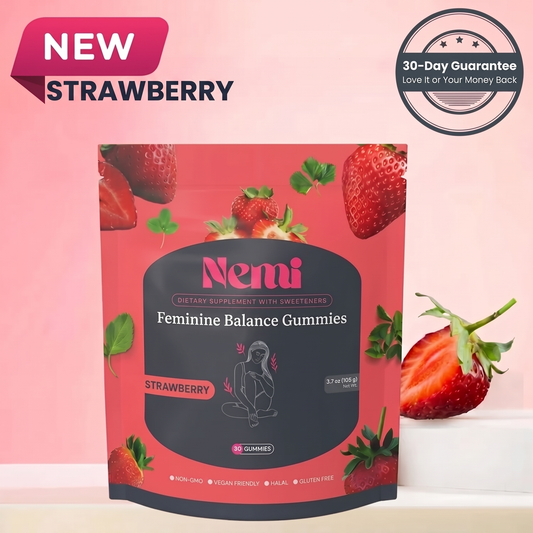
Understanding these seasonal mechanisms is the first step toward anticipating and preventing the most common summer feminine imbalances. Nemi intimate gummies available on mynemi.com provide targeted probiotic support that is particularly valuable during this period, maintaining the vitality of the protective vaginal flora against the specific aggressions of the hot season.
In this article, we explain exactly what you need to know about feminine balance in summer and the best strategies to preserve it naturally.
How does summer heat disrupt feminine balance?
Summer heat disrupts feminine balance via several precise, simultaneous biological mechanisms that accumulate throughout the hot season. Here are the main ones.
Disruption of vaginal pH through sweating
The first mechanism is the disruption of vaginal pH caused by excessive sweating in the intimate area. Heat and humidity create a local environment that alters the natural acidity of the vagina; a balanced pH between 3.8 and 4.5 is the primary line of defense against the proliferation of pathogenic bacteria and fungi. When this pH is disrupted by humidity and heat, the Lactobacilli that maintain protective acidity compete with opportunistic microorganisms that thrive in these favorable conditions.
Chronic dehydration and its effects on natural lubrication
The second mechanism is chronic dehydration, which directly reduces the natural lubrication of the vaginal mucosa. In summer, water loss increases significantly through sweating and breathing without fluid intake always being sufficiently compensated. This dehydration reduces the production of natural vaginal secretions, which play an essential lubricating and protective role, and weakens the vaginal mucosa, making it more permeable to irritation and infection.
Hormonal disruption linked to thermal stress
The third mechanism is hormonal disruption linked to thermal stress. Prolonged exposure to high temperatures activates the body's stress response system and increases cortisol production. This chronically high cortisol during prolonged heatwaves directly disrupts the hypothalamic-pituitary-ovarian axis and can create menstrual cycle irregularities, a reduction in progesterone production, and an aggravation of premenstrual symptoms.
Sun exposure and melatonin production
The fourth mechanism is the impact of prolonged sun exposure on melatonin production. Longer days and exposure to natural light late in the evening in summer delay nocturnal melatonin production and disrupt sleep quality. This lack of deep sleep worsens hormonal imbalance by reducing the nighttime regulation of cortisol and progesterone.
Practical advice for preserving your feminine balance in summer
Preserving your feminine balance in summer requires adopting habits specific to the hot season that simultaneously cover intimate hygiene, hydration, nutrition, and support for the protective vaginal flora. Here are the most effective tips to implement at the beginning of summer.
- Drink at least 2 liters of water per day to compensate for water loss linked to sweating and maintain natural lubrication of the vaginal mucosa
- Opt for breathable cotton underwear to reduce local humidity that promotes the proliferation of pathogenic bacteria and fungi
- Avoid wearing clothing that is too tight in the intimate area, particularly synthetic jeans and leggings that create a hot and humid environment unfavorable to vaginal balance
- Change after every swim, as chlorinated pool water and salty seawater disrupt vaginal pH and eliminate protective Lactobacilli
- Clean the intimate area with a pH-balanced soap without perfume or irritants to respect the natural acidity of the vaginal mucosa
- Limit alcohol consumption, which disrupts the hepatic metabolism of estrogens and worsens summer hormonal imbalance
- Reduce refined sugars and ultra-processed foods that promote the proliferation of Candida albicans, responsible for recurrent vaginal yeast infections in summer
- Protect the intimate area during sports activities by opting for breathable sportswear and changing immediately after exercise
- Maintain a regular sleep routine despite summer evenings to preserve nighttime regulation of cortisol and progesterone
- Avoid staying in a wet swimsuit longer than necessary, as prolonged humidity is one of the most frequent triggers for summer yeast infections and vaginosis
- Incorporate targeted probiotics like Nemi gummies available on mynemi.com to maintain the vitality of the protective vaginal flora against the specific aggressions of the hot season
- Increase intake of foods rich in natural probiotics like yogurt, kefir, and fermented foods to strengthen the intestinal microbiome, which indirectly supports hormonal balance
- Consult a gynecologist at the first sign of intimate discomfort without waiting for symptoms to worsen, as summer vaginal infections treated early resolve more quickly
FAQ on feminine balance and summer
Why are vaginal yeast infections more frequent in summer?
Vaginal yeast infections are more frequent in summer due to the combination of several factors favorable to the proliferation of Candida albicans, the fungus responsible for the vast majority of vaginal yeast infections. Heat and humidity create the optimal environment for its proliferation. Excessive sweating alters the protective vaginal pH. Prolonged swimming in pools or the sea eliminates the Lactobacilli that maintain natural acidity. And the increased consumption of sugars and alcohol during the holidays directly feeds the growth of Candida albicans. Nemi gummies available on mynemi.com support the vitality of the protective vaginal flora to reduce the frequency and intensity of these summer episodes.
Do the sea and the pool really disrupt vaginal balance?
Yes, the sea and the pool disrupt vaginal balance through different mechanisms but with similar consequences. Chlorinated pool water is an antimicrobial agent that eliminates both pathogenic bacteria and protective Lactobacilli, leaving the vaginal mucosa temporarily vulnerable to opportunistic infections. Seawater alters the osmolarity of the vaginal environment and can cause local dehydration of the mucosa. In both cases, the practical rule is to rinse with clear water and change immediately after swimming without staying in a wet swimsuit.
Can heat trigger menstrual cycle irregularities?
Yes, prolonged summer heat can trigger menstrual cycle irregularities in some women via the mechanism of thermal stress, which activates cortisol production. This chronically high cortisol disrupts the hypothalamic-pituitary-ovarian axis and can delay or disturb ovulation, creating longer or irregular cycles during the hottest months. This disruption is generally temporary, and the cycle regularizes naturally with the return to cooler temperatures. If irregularities persist beyond summer, consult your gynecologist to rule out other causes.
How can I maintain my hormonal balance during summer vacation?
Maintaining hormonal balance during summer vacation requires sticking as much as possible to the habits that support endocrine balance, even in the context of disrupted routines. Maintain sufficient hydration of at least 2 liters per day. Limit the consumption of alcohol and refined sugars, which disrupt blood sugar and hormonal balance. Protect sleep quality despite later evenings by keeping a reasonably regular bedtime. Continue targeted probiotic supplementation with Nemi gummies available on mynemi.com, which support the balance of vaginal flora against specific summer aggressions.
Can sunscreens disrupt female hormonal balance?
Yes, some sunscreens contain chemical filters, several of which are documented endocrine disruptors. Oxybenzone, octinoxate, and homosalate are chemical sunscreen filters present in many conventional sunscreens that have demonstrated estrogen-mimicking properties that can disrupt hormonal balance with regular and intensive use during the summer. To limit this exposure, prioritize sunscreens with mineral filters based on zinc oxide or titanium dioxide, which do not penetrate the skin and do not show documented endocrine-disrupting properties.