Liquid nutrition is one of the most underestimated dimensions of feminine hormonal balance. What you drink daily directly influences hormonal production, glycemic regulation, the hepatic elimination of excess hormones, and the vitality of the protective vaginal flora. Yet, most natural hormonal rebalancing approaches focus exclusively on solid food, neglecting the therapeutic potential of drinks that can either support or significantly disrupt the feminine endocrine balance.
This is because certain drinks contain bioactive compounds whose documented action on feminine hormones is significant. The phytoestrogens in fermented soy milk, the polyphenols in green tea that improve insulin sensitivity, the adaptogenic properties of pomegranate juice on estrogen production, or the anti-inflammatory effects of turmeric golden milk on hormonal signaling are all examples of drinks whose regular integration into your daily routine can contribute to better feminine hormonal balance.
Conversely, excessive coffee, alcohol, sugary sodas, and industrial juices are drinks that actively disrupt hormonal balance by worsening insulin resistance, overloading the liver, or chronically increasing cortisol. Identifying which drinks support your balance and which disrupt it is a simple and accessible step to naturally improving your hormonal health.
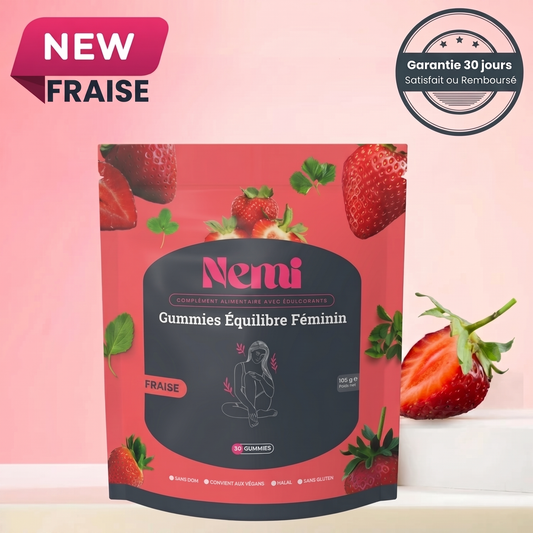
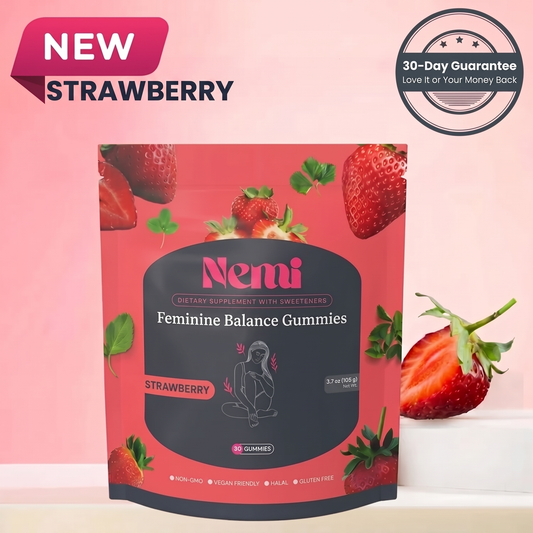
Nemi gummies, available at mynemi.com, complement this approach by directly supporting the balance of the protective vaginal flora internally for comprehensive intimate and hormonal balance.
In this article, we explain exactly which drinks help balance feminine hormones and which ones to avoid.
The best drinks to balance feminine hormones
Some drinks contain bioactive compounds whose action on feminine hormonal balance is scientifically documented. Here are the most effective ones to incorporate regularly into your daily routine.
Green tea
Green tea is the drink whose action on feminine hormonal balance is the best documented in scientific literature. Its exceptional richness in catechins, particularly epigallocatechin gallate or EGCG, gives it anti-inflammatory and mild anti-estrogenic properties that can help reduce relative hyperestrogenism. Studies have documented that regular consumption of green tea improves insulin sensitivity, which is particularly beneficial for women with PCOS for whom insulin resistance is one of the central mechanisms. Two to three cups per day constitute the optimal dose documented in available clinical studies.
Pomegranate juice
Pure pomegranate juice with no added sugar is the most effective drink for naturally supporting declining estrogen levels, particularly during perimenopause and menopause. Its richness in natural phytoestrogens and ellagitannins gives it the ability to gently modulate the body's estrogenic activity without the side effects of hormone replacement therapy. Studies have documented a reduction in menopause symptoms such as hot flashes and mood swings after regular consumption of pomegranate juice. A daily 200 ml glass is the minimum dose to observe measurable effects on hormonal balance.
Turmeric golden milk
Turmeric golden milk is a drink whose growing popularity in feminine wellness routines is based on documented hormonal benefits. Curcumin, the main active ingredient in turmeric, possesses powerful anti-inflammatory properties that reduce low-grade chronic inflammation identified as one of the most common aggravating factors for feminine hormonal imbalances. It also supports hepatic estrogen detoxification by stimulating phase II liver enzymes responsible for metabolizing and eliminating excess hormones. When combined with black pepper, which increases curcumin bioavailability by 2,000%, turmeric golden milk is one of the most effective anti-inflammatory drinks available.
Fennel seed water
Fennel seed water, obtained by infusing fennel seeds in hot water, is a drink traditionally used to relieve menstrual pain and premenstrual symptoms. Fennel seeds contain anethole, a phytoestrogenic compound that can gently modulate estrogenic activity and reduce uterine spasms responsible for menstrual cramps. This drink is particularly recommended in the second half of the cycle for women suffering from intense premenstrual syndrome.
Milk or water kefir
Kefir is a fermented drink whose richness in probiotics makes it one of the best options for simultaneously supporting the gut microbiome and feminine hormonal balance. A diverse and balanced gut microbiome improves estrogen metabolism by the liver, reduces their enterohepatic reabsorption, and helps maintain circulating estrogen levels within a physiologically balanced range. Milk kefir is the traditional version richest in beneficial probiotic strains. Water kefir is an alternative suitable for women who are lactose intolerant.
Drinks to avoid to preserve your hormonal balance
Some commonly consumed daily drinks actively disrupt feminine hormonal balance through precise and documented biological mechanisms. Here are the main ones to identify and reduce as a priority.
Alcohol
Alcohol is the most powerful and widely consumed liquid hormonal disruptor. Its impact on feminine hormonal balance is multiple and cumulative. The first consequence is its direct effect on hepatic estrogen metabolism. When the liver is busy metabolizing alcohol, it processes estrogens less effectively, leading to an accumulation of circulating estrogens and contributing to relative hyperestrogenism. Studies have documented a significant increase in circulating estrogens after even moderate alcohol consumption in premenopausal women. This estrogenic elevation worsens symptoms of hyperestrogenism such as breast tenderness, heavy periods, and premenstrual syndrome.
The second consequence is the disruption of cortisol and sleep. Alcohol increases cortisol secretion and disrupts the deep sleep phases essential for nocturnal hormonal regulation. This double disruption creates a global hormonal imbalance that worsens with regular consumption, even at doses socially considered moderate.
Sodas and sugary drinks
Sodas and sugary drinks, including industrial fruit juices, are among the most insidious dietary hormonal disruptors because their impact on hormonal balance occurs through the insulin resistance they gradually generate. Each sugary drink consumption causes a rapid and intense glycemic spike followed by a proportional insulin response. These spikes, repeated several times a day, create chronic hyperinsulinemia that stimulates androgen production by the ovaries, reduces the production of SHBG (the sex hormone-binding globulin), and promotes the development of relative estrogen dominance. For women with PCOS, for whom insulin resistance is one of the central mechanisms, sodas are particularly contraindicated.
Excessive caffeine
Caffeine consumed in excess, beyond three cups of coffee per day, stimulates the adrenal glands and increases the production of cortisol and adrenaline. This chronic stimulation of the adrenals can disrupt the hypothalamic-pituitary-ovarian axis and create menstrual cycle irregularities, particularly in women already experiencing chronic stress. Excessive caffeine also reduces the absorption of magnesium, which is essential for progesterone production, worsening premenstrual symptoms in women whose magnesium intake is already insufficient. It can also disrupt sleep quality by reducing the deep sleep phases during which a significant portion of nocturnal hormonal regulation occurs.
Energy drinks
Energy drinks combine the disruptive effects of caffeine in high concentrations with those of refined sugars and chemical additives, some of which are documented endocrine disruptors. The combination of high-dose caffeine, simple sugars, and taurine creates intense adrenal stimulation that keeps cortisol at chronically high levels well beyond the duration of consumption. For women suffering from hormonal imbalances, energy drinks are among the most deleterious beverages available on the market.
Excessive non-fermented soy plant milks
Non-fermented soy plant milks consumed in excess can disrupt hormonal balance via their natural phytoestrogens, the isoflavones. When consumed in small quantities in fermented form, soy is generally beneficial. Consumed in excess daily in the form of non-fermented soy milk, they can modulate estrogenic activity excessively in some women.
Conclusion
Feminine hormonal balance is influenced every day by what you drink. Incorporating the right drinks into your daily routine and reducing those that disrupt your endocrine system is one of the simplest, most accessible, and most effective steps to naturally support your hormonal health in the long term.
Drinks to incorporate regularly to support your hormonal balance:
- Green tea for its anti-inflammatory catechins and its action on insulin sensitivity
- Pure pomegranate juice for its natural phytoestrogens and its support for declining estrogen
- Turmeric golden milk for its anti-inflammatory properties and support for hepatic detoxification
- Fennel seed water to relieve menstrual pain and premenstrual symptoms
- Milk or water kefir to simultaneously support the gut microbiome and hormonal balance
Drinks to reduce or eliminate to preserve your hormonal balance:
- Alcohol, which disrupts hepatic estrogen metabolism and increases cortisol
- Sodas and sugary drinks, which generate insulin resistance and hyperandrogenism
- Excessive caffeine, which stimulates the adrenals and reduces magnesium absorption
- Energy drinks, which combine concentrated caffeine and disruptive sugars
- Excessive non-fermented soy milk, which can modulate estrogenic activity excessively
These simple adjustments to your daily consumption habits constitute a liquid nutritional approach that complements a balanced diet and targeted probiotic supplementation, such as Nemi gummies, available at mynemi.com, which directly support the vitality of the protective vaginal flora for comprehensive and lasting intimate and hormonal balance.