A strange sensation in the intimate area is an experience many women have but don't always dare to talk about or try to understand its cause. This sensation can take very different forms depending on the woman and the situation. A slight burning after sexual intercourse, unusual hypersensitivity of the vulva, tingling without apparent cause, a feeling of pressure or numbness, or a diffuse discomfort difficult to pinpoint.
This type of unusual intimate sensation is never insignificant and always deserves to be taken seriously. While these sensations are in most cases benign and naturally correctable, they can in some situations signal an imbalance that requires medical attention. Understanding the possible causes of these unusual intimate sensations is the essential first step to identifying the most suitable solution for your specific situation.
The causes are multiple and often intertwined. Lesions or hypersensitivity of the vulva's nerves can cause persistent or intermittent unusual sensations. Previous vaginal infections can leave a weakened and hypersensitive mucous membrane. Variations in hormone levels like estrogen, related to the menstrual cycle, hormonal contraception, pregnancy, or menopause, alter the vitality and sensitivity of the vaginal mucosa. And imbalances in the vaginal flora can create chronic irritations that generate unusual sensations without clearly identifiable infectious symptoms.
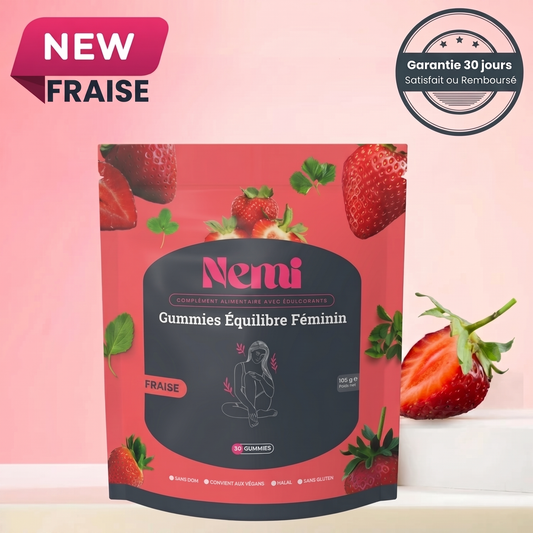
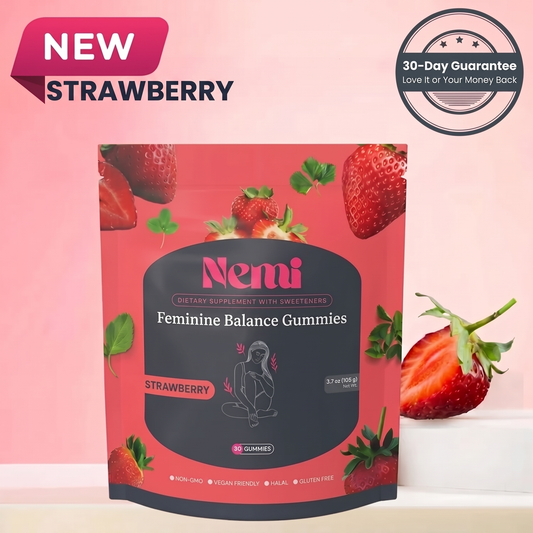
In this article, we explain the main causes of strange sensations in the intimate area and natural solutions like Nemi gummies, available at mynemi.com, to restore lasting intimate comfort.
What are the causes of a strange sensation in the intimate area?
Unusual sensations in the intimate area can have very different and often intertwined origins. Here are the main causes to be aware of to better identify what you are feeling.
Lesions and hypersensitivity of the vulva's nerves
The first cause is lesions or nerve hypersensitivity of the vulva, which can cause burning, tingling, or diffuse discomfort without apparent infection. Vulvodynia is the medical term for chronic vulvar pain or sensation without an identifiable infectious cause. This condition is often underdiagnosed because its symptoms are difficult to describe precisely and can be confused with other causes. Local trauma related to painful intercourse, gynecological medical procedures, or repeated irritations can also sensitize the nerves in the vulvar area and create unusual sensations that persist long after the initial cause has disappeared.
Previous vaginal infections
The second cause is the sequelae of previous vaginal infections. A bacterial vaginosis, vaginal yeast infection, or treated sexually transmitted infection can leave the vaginal mucosa temporarily weakened and hypersensitive. This post-infectious hypersensitivity often manifests as mild unusual sensations such as tingling, increased sensitivity to touch, or a slight burning that persists for several weeks after the clinical cure of the infection. A residual imbalance in the vaginal flora can prolong these sensations by maintaining an unstable vaginal pH, which generates chronic low-grade irritation.
Hormonal variations
The third cause is variations in hormone levels, particularly estrogen, which plays a central role in the vitality and sensitivity of the vaginal mucosa. The drop in estrogen during menopause causes atrophy of the vaginal mucosa, leading to hypersensitivity and chronic burning or discomfort. Hormonal variations during the menstrual cycle can also create unusual sensations in the second half of the cycle when progesterone dominates. And hormonal contraception, especially the combined pill, can alter vaginal sensitivity by reducing the availability of free estrogen.
Contact irritations and allergies
The fourth cause is contact irritations or allergic reactions caused by unsuitable products used on the intimate area. Classic soaps that are too alkaline, scented wipes, latex condoms, lubricants containing irritating chemical agents, and certain synthetic fabrics can trigger local hypersensitivity reactions that generate unusual burning, tingling, or numbness sensations.
Vaginal flora imbalance
The fifth cause is an imbalance of the vaginal flora, whose disruption can create chronic low-grade inflammatory conditions that generate unusual sensations without a clearly defined infectious picture. Nemi feminine balance gummies available on mynemi.com provide the best-documented probiotic strains to restore the balance of the vaginal flora and reduce these sensations linked to a microbial imbalance.
When to consult a doctor for a strange sensation in the intimate area?
While most unusual sensations in the intimate area can be managed naturally with the right supplements and habits, some situations require immediate medical consultation. Knowing how to recognize these situations is essential to prevent a treatable symptom from progressing to a more serious complication.
The first indication for consultation is a persistent strange sensation lasting beyond seven to ten days that does not improve despite the usual natural measures. An unusual sensation that spontaneously disappears in a few days generally does not require a consultation. However, a sensation that persists, intensifies, or returns cyclically warrants a medical evaluation to identify its precise cause.
The second indication is the association with other symptoms. Unusual sensations accompanied by abnormal discharge in color or consistency, unusual odors, pain during sexual intercourse, burning during urination, or bleeding outside of periods constitute a clinical picture that warrants a rapid consultation. This combination of symptoms may indicate an infection requiring specific medical treatment.
The third indication is unexplained chronic vulvar pain. If your sensations evolve into true persistent vulvar pain without an identifiable infectious cause, consult a gynecologist who can assess the possibility of vulvodynia or vestibulodynia requiring specialized care.
The fourth indication concerns menopausal or perimenopausal women who experience unusual intimate sensations. Estrogen deficiency related to menopause can cause progressive vaginal atrophy, of which unusual sensations are often the first sign. A medical consultation allows for evaluating the need for local hormonal treatment and adapting management to the specific situation.
If in doubt, consult your doctor or gynecologist without delay.
Natural solutions to relieve strange sensations in the intimate area
When unusual sensations in the intimate area are not linked to a proven medical condition, several natural solutions can provide significant relief and help restore intimate balance in a lasting way.
The first solution is daily supplementation with specific probiotics. An imbalance of the vaginal flora is one of the most frequent causes of chronic low-grade unusual sensations. Nemi gummies available on mynemi.com provide the best-documented strains of Lactobacillus rhamnosus and Lactobacillus reuteri to restore the dominance of protective bacteria in the vaginal flora, maintain the protective acidic pH, and reduce chronic inflammation of the mucous membrane that generates these unusual sensations. Continuous daily intake for at least four to six weeks is necessary to observe a lasting improvement in intimate comfort.
The second solution is to identify and eliminate irritating factors present in your daily routine. Replace unsuitable intimate hygiene products with a washing gel with an acidic pH between 4 and 5. Avoid scented wipes, latex condoms if you have latex sensitivity, and lubricants containing irritating chemical agents like glycerin or propylene glycol. These contact irritants are a frequent and easily correctable cause of unusual vulvar sensations that disappear quickly once the trigger is eliminated.
The third solution is the local application of pure aloe vera to the external vulvar area. 100% aloe vera gel without alcohol or preservatives has documented anti-inflammatory and soothing properties that quickly relieve burning sensations and vulvar hypersensitivity. Its slightly acidic pH makes it a particularly well-tolerated care for the intimate mucosa without disturbing the vaginal flora.
The fourth solution is to wear breathable clothing made of natural cotton to eliminate heat and moisture that aggravate unusual intimate sensations. Synthetic underwear and tight clothing maintain a warm and confined environment that amplifies the nerve sensitivity of the vulvar area and prolongs unusual sensations.
The fifth solution is active management of chronic stress through regular relaxation practices. Chronic stress elevates cortisol, which disrupts hormonal balance and can amplify the nerve sensitivity of the intimate area. Meditation, yoga, and heart coherence practiced regularly indirectly contribute to reducing stress-related intimate hypersensitivity.