Vaginal probiotics are becoming one of the most popular dietary supplements among women seeking to naturally and proactively care for their vaginal balance. And this growing adoption is not a fad. It is based on solid scientific documentation that has significantly expanded in recent years regarding the central role of Lactobacillus bacteria in protecting female vaginal health.
Because vaginal flora is not a secondary biological detail. It is a sophisticated natural defense system whose balance directly affects resistance to infections, daily intimate comfort, and even certain aspects of reproductive health. When this balance is disrupted by stress, antibiotics, hormonal variations, or dietary habits, the consequences are immediate and often recurrent. Bacterial vaginosis, vaginal yeast infections, recurrent urinary tract infections, and chronic discomfort are the most frequent manifestations of an unbalanced vaginal flora.
Vaginal probiotics specifically address these imbalances by directly providing the body with the most suitable bacterial strains to restore and maintain the dominance of protective Lactobacilli in the vaginal flora. However, not all probiotics are created equal, and the difference between a product that produces real results and a product with only marketing promises lies in precise criteria that few women are aware of when making their purchase.
In this article, we explain exactly why to take vaginal probiotics, how they act on vaginal flora, in which situations they are most useful, and how to choose the most effective formulas available in 2026.
How do intimate probiotics act on vaginal flora?
Understanding the mechanism of action of intimate probiotics on vaginal flora is essential for using these supplements in an informed way and having realistic expectations about the expected results. This mechanism is more subtle and indirect than many women think.
Intimate probiotics act primarily via the oral route and not by direct local application. When you swallow a capsule or gummy containing adapted Lactobacillus strains, these bacteria pass through your digestive system and progressively colonize your intestinal microbiome. The anatomical proximity between the intestinal microbiome and the vaginal mucosa, as well as the bacterial exchanges that occur between these two ecosystems, allow the Lactobacilli provided by the supplement to gradually migrate to the vaginal environment where they help to strengthen the existing protective flora.
Once present in the vaginal flora, these Lactobacilli exert their protective action through several simultaneous mechanisms. They produce lactic acid which maintains the vaginal pH within a protective acidic range of 3.8 to 4.5, unfavorable to the proliferation of pathogens. They produce hydrogen peroxide which has a direct antimicrobial action on pathogenic bacteria responsible for vaginoses. And they enter into direct competition with pathogens for adhesion sites on the vaginal mucosa by occupying them before harmful bacteria can attach.
The specificity of the strains used is the most decisive factor in the effectiveness of an intimate probiotic. Not all Lactobacillus strains have the same affinity with the vaginal mucosa or the same colonization capabilities in this specific environment. The strains Lactobacillus rhamnosus GR-1 and Lactobacillus reuteri RC-14 are the two strains whose ability to colonize the vaginal mucosa after oral administration is best documented by randomized clinical studies. Their explicit presence in the formula of an intimate probiotic is the first criterion to check when making your choice.
The duration of the course is also crucial. The first measurable effects of intimate probiotic supplementation generally appear between two and four weeks of regular daily intake, and the most lasting benefits require a course of at least two to three months.
In which situations are intimate probiotics most useful?
Intimate probiotics are not useful in the same way in all situations. Their relevance varies depending on each woman's hormonal, medical, and hygienic context. Here are the situations where their use is most justified and scientifically documented.
After antibiotic treatment
This is the situation in which intimate probiotics are most unanimously recommended by healthcare professionals. Antibiotics indiscriminately destroy targeted pathogenic bacteria and protective Lactobacilli in the vaginal flora, creating a bacteriological void that favors recurrence of infection in the weeks following treatment. A course of intimate probiotics started simultaneously with antibiotic treatment and continued for two to four weeks after its completion helps accelerate the restoration of a protective vaginal flora and significantly reduces the risk of recurrence. Simply observe an interval of at least two hours between taking the antibiotic and the probiotic to prevent the antibiotic from destroying the strains before absorption.
In cases of recurrent bacterial vaginosis
Women who suffer from recurrent bacterial vaginosis benefit most from prolonged supplementation with intimate probiotics. Bacterial vaginosis is characterized by a decrease in the dominance of protective Lactobacilli in favor of pathogenic anaerobic bacteria. Intimate probiotics containing Lactobacillus rhamnosus and Lactobacillus reuteri strains help progressively restore this protective dominance and reduce the frequency of recurrences. Clinical studies have shown a significant reduction in the recurrence rate of bacterial vaginosis in women taking these specific strains for an extended period after their medical treatment.
During and after pregnancy
Pregnancy is a period of intense hormonal transformation that alters the composition of the vaginal flora and can increase the risk of imbalances. A balanced vaginal microbiome during pregnancy is particularly important because certain imbalances, such as bacterial vaginosis, are associated with an increased risk of preterm birth. Intimate probiotics can help maintain this balance during pregnancy, but any supplementation during this period must be validated beforehand by the doctor or midwife managing the pregnancy.
During hormonal transitions
Perimenopause and menopause are periods of hormonal transition during which the drop in estrogen reduces the vitality of the vaginal flora and increases the risk of imbalances. Vaginal dryness, intimate discomforts, and increased susceptibility to infections are frequent manifestations of this transition. Intimate probiotics can help maintain a more favorable vaginal environment despite decreasing estrogen by supporting the population of protective Lactobacilli.
For daily prevention
Finally, intimate probiotics are also relevant outside of any situation of proven imbalance as a tool for daily prevention. Women exposed to risk factors such as chronic stress, an unbalanced diet, or regular antibiotic use can benefit from continuous supplementation to maintain a resilient vaginal microbiome against recurrent daily disruptions.
How to choose the best intimate probiotics?
The intimate probiotic market offers a plethora of options with very variable levels of quality and effectiveness. Knowing how to distinguish a truly effective product from a product with only marketing promises is a valuable skill that can save you time and money while achieving the results you are looking for. Here are the most decisive criteria for making the right choice.
The first and most important criterion is the specificity of the probiotic strains used. As we explained earlier, not all Lactobacillus strains are equivalent in their action on the vaginal flora. A quality intimate probiotic must explicitly mention the precise names of the strains used and not just the generic mention Lactobacillus or probiotics. The strains Lactobacillus rhamnosus GR-1 and Lactobacillus reuteri RC-14 are the two essential references whose specific efficacy on vaginal health after oral administration is best scientifically documented. The presence of these specific strains in the formula is the first sign of a serious intimate probiotic.
The second criterion is the UFC dosage, colony-forming units. The concentration of live bacteria per dose is crucial for the product's effectiveness. Clinical studies that have demonstrated positive effects on vaginal health generally use doses between one and ten billion CFU per day depending on the strains used. An intimate probiotic with a dosage below this threshold or that does not clearly specify the number of CFUs per dose will not allow sufficient colonization of the microbiome to produce the expected effects.
The third criterion is the viability of the strains until the consumption date. Probiotic bacteria are living organisms that can be destroyed by heat, humidity, and gastric acidity. Prefer products that use microencapsulation or lyophilization technologies that protect probiotic strains during their gastric transit and guarantee their viability until their site of action in the intestine. Products that require refrigeration are often more fragile than room-temperature stable products but sometimes offer fresher and more active strains.
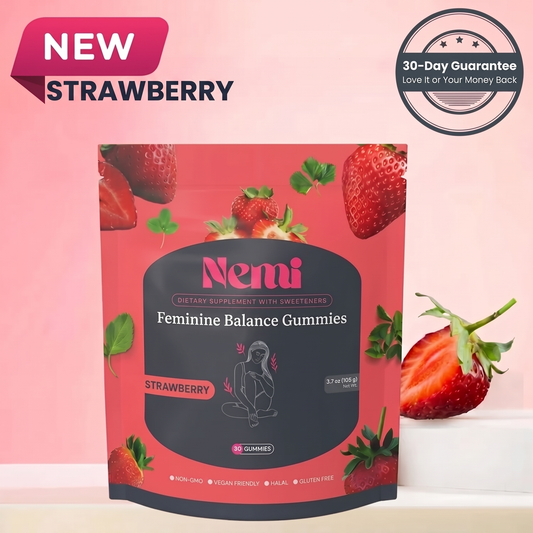
The fourth criterion is the format and adherence. An intimate probiotic in capsules requires a glass of water and often leads to frequent forgotten doses in a busy daily life. More pleasant formats like Nemi's female balance gummies available on mynemi.com combine specific probiotics and other synergistic active ingredients in a gourmet format that encourages regular daily intake. This superior adherence directly translates into more consistent and lasting results on the balance of intimate flora.
The fifth criterion is the manufacturer's transparency regarding the complete composition of the product. A serious manufacturer clearly communicates the precise names of the strains used, the exact CFU dosages, the storage conditions, and the scientific studies that support the advertised benefits. This transparency is a reliable indicator of the quality and seriousness of a product in a market where unsubstantiated marketing claims are unfortunately common.