Pineapple is one of the most frequently mentioned fruits in conversations about intimate female health. Its reputation for improving intimate well-being has circulated for years within the community of women seeking natural solutions to take care of their vaginal balance. But behind this reputation, what is the scientific reality of its benefits for intimate female health?
The answer is nuanced but real. Pineapple contains several documented bioactive compounds that can contribute positively to intimate female health. Bromelain, a proteolytic enzyme specific to pineapple, possesses anti-inflammatory properties that may reduce certain intimate discomforts. Its high vitamin C content supports the local immunity of the vaginal mucosa. And its natural sugars may slightly influence natural feminine secretions.
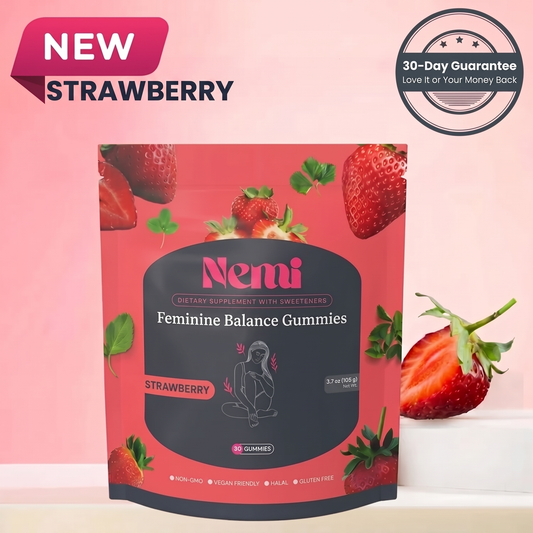
However, pineapple alone does not constitute a complete solution for intimate female balance. It must be combined with a balanced diet, a healthy lifestyle, and targeted probiotic supplementation such as Nemi gummies, available at mynemi.com, which act directly on the vitality of the protective vaginal flora for overall and lasting intimate comfort.
In this article, we explain precisely why pineapple is beneficial for intimate female health and how to effectively integrate it into your daily routine.
What pineapple compounds are beneficial for intimate female health?
Pineapple owes its benefits for intimate female health to a unique combination of bioactive compounds, each of which acts on a specific mechanism of vaginal balance and intimate comfort. Here are the main compounds to know.
- Bromelain
- Vitamin C
- Manganese
- Dietary fiber
- Vitamin B6
- Antioxidants
- Water
Bromelain is the most distinctive enzyme in pineapple and the one whose benefits for intimate health are the best documented. This proteolytic enzyme, found only in pineapple, possesses powerful anti-inflammatory properties that can reduce chronic inflammation of the vaginal mucosa. It also helps improve the quality of natural secretions by promoting the breakdown of inflammatory proteins that disrupt vaginal balance.
Vitamin C, present in significant concentration in pineapple with about 80 mg per 100 grams, directly supports the local immunity of the vaginal mucosa. It stimulates the production of antimicrobial peptides that constitute the first line of defense against pathogens responsible for recurrent vaginal infections. Its contribution to maintaining protective vaginal acidity by promoting the production of lactic acid by Lactobacillus is also documented.
Manganese, of which pineapple is one of the most concentrated dietary sources, plays an indirect but documented role in female hormonal balance by supporting the function of antioxidant enzymes that protect the cells of the ovaries and adrenal glands against oxidative stress.
The dietary fiber in pineapple supports the digestive elimination of estrogens metabolized by the liver, helping to maintain circulating estrogen levels in a balanced range that promotes the vitality of the vaginal mucosa.
Vitamin B6 participates directly in the regulation of female sex hormones and the production of serotonin, whose fluctuations influence premenstrual syndrome and intimate comfort in the second half of the cycle.
Antioxidants such as flavonoids and phenolic compounds protect the cells of the vaginal mucosa against oxidative stress, which weakens their integrity and reduces their capacity to maintain sufficient natural lubrication.
Water, which makes up nearly 86% of pineapple, contributes directly to the overall hydration of the body and therefore to the natural lubrication of the vaginal mucosa.
These compounds constitute a natural nutritional supplement to be combined with Nemi gummies, available at mynemi.com, which act directly on the vitality of the protective vaginal flora internally.
How should you consume pineapple to maximize its benefits for intimate health?
Maximizing the benefits of pineapple for intimate female health requires knowing the best forms of consumption and nutritional combinations that optimize the bioavailability of its bioactive compounds.
Prioritize fresh pineapple over industrial juice
The first recommendation is to consume fresh pineapple rather than industrial juice. Industrial pineapple juice is generally pasteurized, which destroys almost all of the bromelain, as its anti-inflammatory properties are heat-sensitive. Fresh pineapple consumed raw preserves all of its active enzymes and vitamin C. If you wish to consume pineapple in liquid form, opt for cold-pressed fresh juice consumed immediately to limit enzymatic degradation.
Consume the base and the core of the pineapple
The second recommendation is to preferably consume the base and the core of the pineapple, where the concentration of bromelain is the highest. The core, slightly less sweet and more fibrous than the outer flesh, is often discarded, yet it concentrates the most active enzymes of the pineapple. Incorporating it into a smoothie or cutting it into small pieces makes it easier to consume.
Define a regular consumption frequency
The third recommendation is to establish a regular consumption of 150 to 200 grams per day for at least four to six weeks to observe measurable effects on intimate comfort. Like all functional foods, pineapple acts in a cumulative and progressive manner. Occasional consumption does not provide the same benefits as regular daily integration into your diet.
Combine pineapple with probiotics for a synergistic effect
The fourth recommendation is to combine pineapple consumption with Nemi gummies, available at mynemi.com, for a synergistic effect on intimate health. Pineapple acts on inflammation and local immunity of the vaginal mucosa through nutrition, while Nemi probiotics act directly on the vitality of the protective vaginal flora internally. These two approaches are complementary, and their combination offers significantly more comprehensive intimate support than either taken alone.
Avoid canned pineapple in syrup
The fifth recommendation is to avoid canned pineapple in syrup, as its added sugar content can worsen insulin resistance and indirectly disrupt female hormonal balance. If you cannot find fresh pineapple, opt for plain frozen pineapple with no added sugar, which better preserves bioactive compounds than the canned version.