Feminine intimate odor is a topic still too rarely discussed, despite its real importance for women's daily well-being. Yet, one question regularly comes up in searches by women seeking to better understand their bodies: does what I eat influence my intimate odor? The answer is yes, clearly and scientifically documented.
Diet is one of the most direct and immediately modifiable factors influencing the balance of vaginal flora and, by extension, intimate odor. This is because feminine intimate odor primarily reflects the health status of the vaginal flora, a complex microbiome dominated by Lactobacillus bacteria that maintain a protective acidic pH between 3.8 and 4.5. When this balance is disrupted by dietary, hormonal, or hygiene factors, intimate odor changes and can become a source of discomfort and concern.
What is important to understand from the outset is that the natural intimate odor of a healthy woman is normal and not problematic. It varies throughout the menstrual cycle, can be slightly modified by certain foods, and changes with hormonal fluctuations. It is not a sign of poor hygiene or a problem to be eliminated at all costs with fragranced products that often worsen the situation. It is a natural biological signal whose variations are useful to understand to better care for one's intimate health.
In this article, we present the foods that positively or negatively influence feminine intimate odor, the biological mechanisms that explain these effects, and the dietary habits most favorable for lasting intimate balance.
How does diet influence vaginal flora and intimate odor?
Understanding the link between diet and intimate odor requires first understanding how vaginal flora works and why its balance is so directly influenced by what you eat daily.
The vaginal flora, called the vaginal microbiome, is a complex bacterial ecosystem dominated by over 70% Lactobacillus bacteria in a healthy woman. These bacteria produce lactic acid and hydrogen peroxide, which maintain vaginal pH within a protective acidic range of 3.8 to 4.5. This acidic pH is the first line of natural defense against the proliferation of pathogens responsible for bacterial vaginosis, yeast infections, and urinary tract infections. And it is precisely this acidic pH and bacterial balance that determine the natural intimate odor of a healthy woman.
The link between diet and the vaginal microbiome primarily passes through the gut microbiome. The two microbiomes are closely linked and constantly communicate via the bloodstream and anatomical proximity. A diet rich in fiber, probiotics, and prebiotics promotes the diversity and vitality of the gut microbiome, which positively impacts the balance of the vaginal flora. Conversely, a diet rich in refined sugars, ultra-processed foods, and alcohol disrupts the gut microbiome and creates a favorable environment for vaginal dysbiosis, i.e., an imbalance of the vaginal flora that results in unusual odors and persistent discomfort.
The second mechanism is the chemical composition of vaginal secretions. Certain volatile compounds present in the foods you consume are partially eliminated through mucous membranes and bodily secretions, including vaginal secretions. This is the same mechanism that explains why certain foods like garlic, asparagus, or some spices temporarily alter the smell of sweat or urine. These volatile compounds of dietary origin can temporarily and reversibly modify intimate odor without indicating a pathological imbalance of the vaginal flora.
The third mechanism is that of glycemic balance. A diet that generates frequent and high blood sugar spikes creates a glucose-rich environment that promotes the proliferation of Candida albicans, the yeast responsible for vaginal yeast infections. These yeast infections are accompanied by a characteristic change in intimate odor with a sweet or fermented note and intense itching.
Foods that improve feminine intimate odor
Certain foods have a documented positive impact on the balance of vaginal flora and help maintain a natural and balanced intimate odor. Here are the most beneficial foods to regularly incorporate into your diet.
Yogurt and fermented foods
Plain yogurts and fermented foods like kefir, raw sauerkraut, kimchi, and miso are the most direct allies of your vaginal flora. Rich in live Lactobacillus bacteria, they directly provide your gut microbiome with the bacterial strains most beneficial for vaginal balance. Studies have shown a positive correlation between regular consumption of live culture yogurts and a reduction in episodes of bacterial vaginosis and vaginal yeast infections. The key is to choose plain yogurts without added sugar, as sugar counteracts the benefits of probiotics by promoting the proliferation of Candida albicans.
Fruits rich in vitamin C
Citrus fruits, kiwis, strawberries, and red bell peppers are exceptional sources of vitamin C, which supports the balance of vaginal flora in two complementary ways. Vitamin C helps maintain the natural acidity of the vagina by participating in the production of ascorbic acid, which strengthens the protective acidic pH. Its antioxidant and anti-inflammatory properties also boost the local immune defenses of the vaginal mucosa against pathogens. Regular consumption of vitamin C-rich fruits is one of the simplest and most effective dietary habits for maintaining optimal intimate balance.
Pineapple and naturally sweet fruits
Pineapple is the fruit most often cited for its positive effect on intimate odor, and this reputation is based on real biological grounds. The bromelain and natural sugars in pineapple slightly modify the chemical composition of bodily secretions in a way generally considered more pleasant. More broadly, naturally sweet fruits like mango, watermelon, and berries help soften bodily secretions due to their natural sugars and aromatic compounds that are partially found in mucous membranes.
Green vegetables and cruciferous vegetables
Green vegetables like spinach, broccoli, kale, and other cruciferous vegetables are particularly beneficial for feminine intimate balance due to their chlorophyll content. Chlorophyll is a natural compound with documented deodorizing properties that neutralizes body odors from within by binding to odor-causing compounds and facilitating their elimination. Cruciferous vegetables also contain indole-3-carbinol compounds that support the liver's detoxification of estrogens and help maintain a hormonal balance favorable to vaginal health.
Sufficient water intake
Although water is not strictly speaking a food, sufficient hydration is the most fundamental nutritional factor for maintaining a balanced intimate odor. Adequate hydration of at least 1.5 to 2 liters of water per day dilutes odor-causing compounds present in urine and bodily secretions, maintains the natural moisture of vaginal mucous membranes, and promotes the elimination of toxins and metabolic waste that can contribute to unpleasant body odors. Chronic dehydration is one of the most frequent and overlooked causes of unusual intimate odors in women who otherwise show no pathological imbalance in their vaginal flora.
Probiotic supplements
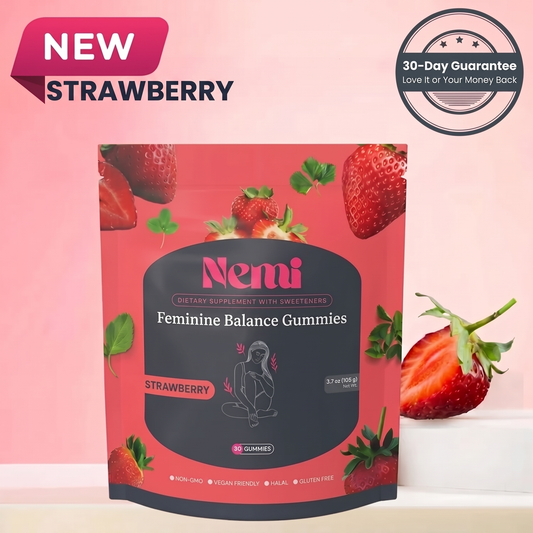
For women who wish to further support their vaginal flora, probiotic supplements with Lactobacillus rhamnosus and Lactobacillus reuteri strains specifically selected for their affinity with the vaginal mucosa are a particularly effective option. Brands like Nemi offer formulas specifically designed for feminine intimate balance with clinically relevant dosages that effectively complement dietary intake of natural probiotics.
Foods that disrupt feminine intimate odor
Just as some foods promote the balance of vaginal flora, others can disrupt it temporarily or chronically depending on the frequency and quantity consumed. Here are the foods most frequently involved in unpleasant changes in feminine intimate odor.
Refined sugars and ultra-processed foods
This is the most impactful food category on the balance of vaginal flora and intimate odor. Refined sugars found in sodas, pastries, confectionery, and ultra-processed foods create a glucose-rich environment in the body that promotes the proliferation of Candida albicans, the yeast responsible for vaginal yeast infections. A diet regularly rich in refined sugars generates frequent blood sugar spikes that directly fuel Candida growth and progressively disrupt the balance of vaginal flora. Women who consume significant amounts of refined sugars daily are significantly more likely to experience recurrent episodes of vaginal yeast infections with the characteristic sweet and fermented odors of this infection.
Alcohol
Alcohol disrupts the balance of vaginal flora through several simultaneous mechanisms. It dehydrates the body, which reduces the natural production of vaginal secretions and concentrates odor-causing compounds present in mucous membranes. It disrupts the gut microbiome by reducing bacterial diversity and promoting the proliferation of pro-inflammatory bacteria at the expense of beneficial Lactobacillus. And during its metabolism, it generates acetaldehyde compounds that are partially found in bodily secretions and can temporarily alter their odor. Regular and significant alcohol consumption is one of the most detrimental dietary factors for long-term feminine intimate balance.
Garlic and onions
Garlic and onions contain volatile sulfur compounds, mainly allicin in garlic and disulfides in onions, which are partially absorbed by the body and eliminated via mucous membranes and bodily secretions. These sulfur compounds can temporarily alter the odor of vaginal secretions in the hours following their consumption in significant quantities. This effect is temporary and reversible and does not indicate a pathological imbalance of the vaginal flora. Most women who consume garlic and onions in moderate amounts as part of a balanced diet do not notice a significant change in their intimate odor.
Red meats and excess animal proteins
Excessive consumption of red meats and animal proteins can alter overall body odor, including intimate odor. The digestion of animal proteins generates nitrogenous compounds like ammonia and certain biogenic amines that are eliminated via urine, sweat, and mucous membranes. These compounds can give bodily secretions a stronger and more pungent odor, particularly when animal protein consumption is high and repeated. A balanced diet with moderate amounts of animal proteins and sufficient hydration generally minimizes this effect.
Strong spices and very aromatic foods
Spices like curry, fenugreek, cumin, and certain highly concentrated aromatic herbs contain volatile aromatic compounds that are partially found in bodily secretions after digestion. Like garlic and onions, these spices can temporarily alter the odor of vaginal secretions in the hours following their consumption in significant quantities. This effect varies considerably among women and their individual sensitivity to these aromatic compounds. It is temporary and naturally disappears within 12 to 24 hours after consumption without requiring any particular intervention.
Excess coffee
Coffee consumed in excessive amounts contributes to dehydration and generates acidic compounds that can alter the chemical environment of vaginal mucous membranes. Its regular consumption in large quantities can also disrupt the gut microbiome and create a state of systemic acidity that impacts vaginal balance. Moderate consumption of two to three cups per day is generally well tolerated by the vaginal flora, but beyond this threshold, disruptive effects can become noticeable in some women particularly sensitive to variations in their microbiome.