Vaginal dryness is a feminine symptom with multiple causes, often poorly identified by the women who suffer from it. Burning during sexual intercourse, persistent irritation, daily discomfort, or a simple feeling of vulvar dryness are all manifestations of the same imbalance, and understanding its origin is the essential first step to finding the most suitable solution.
Because not all intimate dryness is treated in the same way. Dryness caused by hormonal contraception requires a different approach than dryness linked to menopause, chronic stress, or the use of unsuitable hygiene products. Without precisely identifying the underlying cause, the solutions applied remain temporary palliatives that relieve symptoms without addressing the real imbalance.
The causes of intimate dryness are hormonal, medicinal, behavioral, or related to hygiene, and they can combine to aggravate discomfort. The drop in estrogen during menopause, breastfeeding, taking certain medications, chronic stress, or the use of overly alkaline hygiene products are among the most frequent and least identified causes.
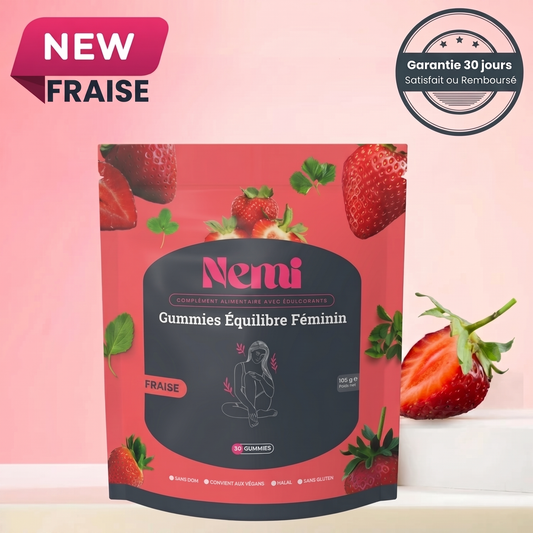
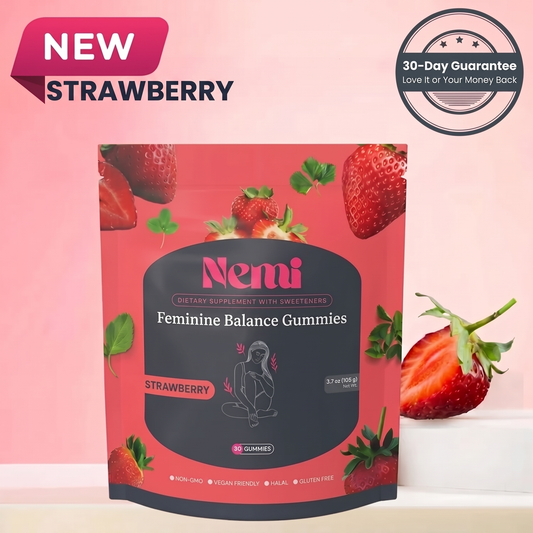
In this article, we explain precisely what causes intimate dryness and how Nemi gummies, available on mynemi.com, can help restore the natural balance of the vaginal flora to sustainably improve intimate comfort.
What are the hormonal causes of intimate dryness?
Hormones, and particularly estrogens, play a central role in maintaining the lubrication and vitality of the vaginal mucosa. Any significant variation in their levels can cause intimate dryness, the intensity of which is proportional to the extent of the hormonal imbalance.
Menopause and perimenopause
Menopause is the most documented hormonal cause of intimate dryness. The accompanying definitive drop in estrogen causes progressive atrophy of the vaginal mucosa, of which dryness is often the first symptom. Without estrogen, mucosal cells produce less glycogen and therefore less lactic acid, which simultaneously reduces natural lubrication and protective acidity. Perimenopause, which precedes menopause by several years, can already cause episodes of dryness linked to the irregular hormonal fluctuations that characterize this transitional period.
Hormonal contraception
Combined contraceptive pills are a frequently underestimated cause of intimate dryness. They reduce levels of circulating free estrogens by increasing the production of SHBG, a protein that binds to sex hormones and reduces their tissue availability. This reduction can cause thinning of the vaginal mucosa and a decrease in lubricating secretions, identical in its mechanisms to what occurs during menopause but generally of lesser intensity. Hormonal implants and IUDs can also cause dryness by suppressing the cyclic production of estrogens.
Breastfeeding
Breastfeeding is a temporary but often intense cause of intimate dryness linked to the anti-estrogenic effect of prolactin secreted in large quantities during this period. Prolactin inhibits estrogen production, creating a transient hypoestrogenic state that can cause sometimes severe dryness throughout breastfeeding. This situation is normal and resolves spontaneously when breastfeeding stops but may require local moisturizing care to maintain intimate comfort.
Anti-estrogenic medical treatments
Certain medical treatments deliberately cause a drop in estrogen and consequently generate often severe dryness. Hormonal treatments for breast cancer, such as tamoxifen or aromatase inhibitors, are the most frequently implicated. Treatments for endometriosis with GnRH analogues, which cause temporary medical menopause, also generate significant dryness during their administration.
Nemi gummies, available on mynemi.com, provide natural probiotic support that helps maintain the vitality of the vaginal flora despite these hormonal disturbances by supporting the production of protective lactic acid.
Non-hormonal causes of intimate dryness
While hormones are the most well-known cause of intimate dryness, many non-hormonal factors can cause or exacerbate this symptom. These causes are often misunderstood and deserve to be precisely identified because their correction is generally faster and simpler than managing a hormonal imbalance.
Unsuitable hygiene products
The first non-hormonal cause is the use of unsuitable hygiene products on the intimate area. Classic soaps and ordinary shower gels have an alkaline pH between 7 and 9, which gradually disrupts the natural acidity of the vulvar mucosa with each use. This repeated daily chemical aggression progressively dries out the mucosa by eliminating the protective hydrolipidic film that maintains its natural hydration. Internal vaginal douches are particularly harmful because they directly eliminate protective Lactobacillus and natural lubricating secretions that maintain the moisture of the vaginal mucosa.
Certain non-hormonal medications
The second cause is that of certain medications whose drying effect on the mucous membranes is documented but often unknown to the patients who take them. Antihistamines used against allergies have a drying effect on all mucous membranes of the body, including the vaginal mucosa. Antidepressants, and particularly serotonin reuptake inhibitors, can reduce vaginal lubrication by modifying the response of the autonomic nervous system. Certain antihypertensives and cold medications containing pseudoephedrine also have a significant drying effect.
Chronic stress
The third cause is chronic stress, the impact of which on intimate dryness is significantly underestimated. Cortisol released in situations of prolonged stress disrupts the overall hormonal balance by reducing estrogen production and activating the sympathetic nervous system, which inhibits the production of vaginal secretions. This double action explains why many women observe an aggravation of their intimate dryness during periods of intense professional or personal tension.
Dehydration and diet
The fourth cause is dehydration, which can contribute to intimate dryness by reducing the overall production of mucous secretions in the body. A diet poor in essential omega-3 fatty acids can also contribute to the drying of mucous membranes because these fatty acids play a direct role in maintaining the hydration and integrity of the cell membranes of the vaginal mucosa.
Smoking
The fifth cause is smoking, whose vasoconstrictor effect reduces the vascularization of the vaginal mucosa and decreases the production of lubricating secretions. Smoking women statistically experience vaginal dryness more frequently than non-smokers, which reflects the cumulative harmful effect of tobacco on the vitality of the intimate mucosa.
How to naturally relieve intimate dryness?
Relieving intimate dryness naturally is entirely possible with the right products and good daily habits that simultaneously act on external causes and internal biological mechanisms.
The first solution is daily supplementation with specific probiotics with Nemi gummies, available on mynemi.com. Lactobacillus rhamnosus and Lactobacillus reuteri strains directly support the vitality of the vaginal mucosa by restoring the production of lactic acid, which maintains natural hydration and protective acidity.
The second solution is to apply a suitable moisturizing product to the external vulvar area. Pure 100% aloe vera gel, without alcohol or preservatives, or virgin cold-pressed coconut oil provide immediate natural hydration without disturbing the balance of the vaginal flora.
The third solution is to optimize your diet by increasing your intake of essential omega-3 fatty acids found in fatty fish and flaxseeds, and by maintaining sufficient daily hydration of at least 1.5 liters of water per day.
The fourth solution is to replace unsuitable hygiene products with an intimate wash gel with an acidic pH between 4 and 5, which respects the natural acidity of the mucous membrane without further drying it out.