Water is the most fundamental element of feminine health, yet its direct link to intimate health is one of the least understood by women seeking to improve their vaginal comfort. Drinking enough water every day is not just about general well-being. It is a condition directly linked to the quality of vaginal lubrication, the vitality of the intimate mucosa, and the resistance of the protective flora to imbalances.
This is because the vaginal mucosa is composed of a very large majority of water. Its ability to maintain sufficient natural hydration, to produce protective lubricating secretions, and to maintain the natural acidity of its pH directly depends on the body's overall hydration level. A chronically dehydrated woman has a significantly higher risk of vaginal dryness, irritations, and flora imbalances than one who maintains optimal daily hydration.
Yet the vast majority of women suffering from intimate dryness or recurrent discomfort do not spontaneously think of their hydration level as an explanatory factor. This lack of awareness of the link between hydration and intimate health is one of the reasons why simple and accessible solutions remain underutilized in favor of more complex treatments.
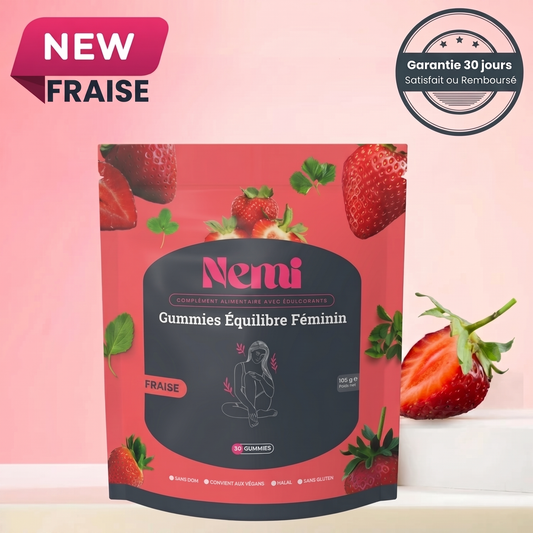
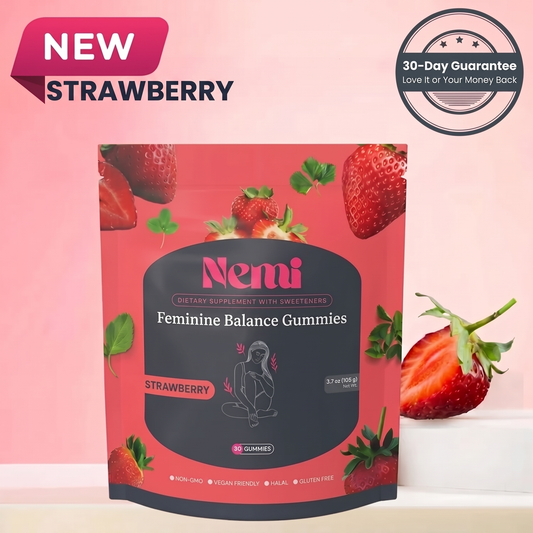
In this article, we explain exactly why drinking enough water is essential for your intimate health and how Nemi gummies, available on mynemi.com, complement this hydration with an internal probiotic action.
What is the link between hydration and vaginal lubrication?
The link between hydration and vaginal lubrication is direct and physiologically documented. The vaginal mucosa is a tissue composed predominantly of water, and its ability to maintain sufficient natural lubrication directly depends on the body's overall hydration level.
Vaginal lubrication is produced by two complementary mechanisms. Transudation, which is the passage of a water-rich fluid through the vaginal wall, and secretions from the Bartholin's and Skene's glands, which produce a lubricating fluid during sexual arousal. Both mechanisms are directly dependent on the volume of water available in the body. A dehydrated woman structurally produces fewer of these secretions because her body prioritizes the hydration of vital organs over peripheral mucous membranes, including the vaginal area.
The second dimension of the link between hydration and intimate health is the vitality of the vaginal flora. Protective Lactobacilli, which maintain the natural acidity of the vaginal pH, need a sufficiently hydrated mucosal environment to produce lactic acid, which protects against pathogens. A dry mucosa is one whose protective flora functions less effectively, creating conditions favorable to recurrent intimate imbalances.
The third dimension is the elimination of toxins. Sufficient hydration supports renal and urinary function, which plays an important role in preventing recurrent urinary tract infections, frequently associated with episodes of vaginal dryness. Drinking enough water maintains a regular urinary flow that limits the colonization of the urethra by pathogenic bacteria.
Nemi gummies, available on mynemi.com, complement this hydration by strengthening the vitality of the vaginal flora internally.
How much water should I drink per day for my intimate health?
The general recommendation to drink 1.5 to 2 liters of water per day corresponds to the minimum needs of the majority of adult women to maintain sufficient hydration, including intimate health. However, this amount varies according to several individual factors that should be taken into account to adapt your hydration to your specific situation.
The first practical rule is to increase your water intake in summer. The heat and increased perspiration of the summer season significantly increase the body's water loss. In summer, needs can rise to 2.5 or even 3 liters per day to maintain the same level of mucosal hydration as in winter with 1.5 liters. This summer increase is particularly important for women who suffer from seasonal vaginal dryness, as dehydration directly worsens this discomfort.
The second rule is to adapt your hydration to your level of physical activity. Each hour of intense physical activity generates additional water loss of 500 ml to 1 liter, depending on the intensity and climatic conditions. Female athletes must compensate for these losses with a proportional water intake to maintain the hydration of their intimate mucous membranes.
The third rule is to diversify sources of hydration. Plain water remains the best source of hydration for intimate health. Mineral-rich waters like magnesium and calcium also support the vitality of the mucous membranes. Herbal teas, broths, and water-rich foods like cucumbers, tomatoes, and citrus fruits contribute to overall hydration without replacing plain water.
The fourth rule is to listen to your body's signals. Dark, scanty urine is the most reliable sign of insufficient hydration. Clear, regular urine indicates optimal hydration. Nemi gummies, available on mynemi.com, complement this hydration by supporting the vaginal flora internally.
FAQ on Hydration and Intimate Health
Can drinking more water reduce vaginal dryness?
Yes, drinking enough water every day can help reduce mild to moderate vaginal dryness by improving the overall hydration of the body's mucous membranes, including the vaginal mucosa. The natural lubrication of the intimate area directly depends on the body's hydration level, and a chronically dehydrated woman structurally produces fewer lubricating secretions than one who maintains optimal daily hydration of 1.5 to 2 liters of water per day. However, if vaginal dryness is linked to a hormonal cause, such as menopause or contraception, hydration alone is not enough and must be combined with other approaches, such as probiotic supplementation with Nemi gummies available on mynemi.com.
Can water replace intimate moisturizers?
No, water and intimate moisturizers act on different dimensions of intimate comfort and are complementary rather than substitutable. Oral hydration supports the natural production of lubricating secretions from within. External moisturizers like aloe vera gel or virgin coconut oil provide direct and immediate hydration of the external vulvar mucosa. Both approaches are necessary for comprehensive management of mild to moderate intimate dryness, particularly during hot summer periods or temporary hormonal imbalances.
What are the signs that I'm not drinking enough water for my intimate health?
Signs of insufficient hydration manifest simultaneously on several levels. Dark, scanty urine is the most reliable sign of dehydration. Vaginal dryness that gradually intensifies without an identifiable hormonal cause may indicate a chronic fluid deficit. Recurrent urinary tract infections can also signal insufficient hydration, which reduces the protective urinary flow. And overall dry skin accompanied by frequent headaches often completes this picture of chronic dehydration, which can be significantly improved by sufficient daily hydration to improve intimate comfort.
Are there foods that help hydrate the intimate area?
Yes, certain water-rich foods directly contribute to the hydration of mucous membranes in addition to consuming pure water. Cucumbers, tomatoes, watermelons, strawberries, and citrus fruits contain between 80 and 95% water and are particularly valuable natural sources of hydration in summer. Foods rich in essential omega-3 fatty acids, such as fatty fish, flaxseeds, and nuts, directly support the integrity and hydration of the cell membranes of the vaginal mucosa. And fermented foods like whole milk yogurt and kefir enrich the gut microbiome, which is connected to the vaginal flora.
Do alcohol and coffee worsen intimate dryness?
Yes, alcohol and coffee worsen intimate dryness due to their diuretic effect, which increases urinary elimination without contributing to tissue hydration. Regular and excessive consumption of these beverages creates a progressive fluid deficit that manifests, among other things, as a reduction in the natural lubrication of the vaginal mucosa. This aggravation is particularly noticeable in summer, where fluid losses due to heat are added to the diuretic effect of these beverages. Limiting alcohol and coffee consumption while proportionally increasing pure water intake is one of the simplest available measures to improve intimate comfort.